Fragrance is defined as one of the most direct sensory forces shaping how a home feels, not just how it smells. Research links specific scents like rosemary, grapefruit, lavender, and lemon to measurable shifts in alertness, anxiety, creativity, and emotional memory. Interior designers now treat scent as a core design element alongside lighting and furniture. Understanding how fragrance affects home atmosphere gives you a real tool for shaping your daily experience at home, not just a nice-smelling room.
How fragrance affects home atmosphere: the science behind it
Scent reaches the brain faster than any other sense. Aroma molecules travel through olfactory sensory neurons and directly influence neurotransmitters that regulate mood, stress, and cognitive function. No other sense has that kind of direct line to your emotional state. That is why walking into a room with the right fragrance can shift your mood within seconds.
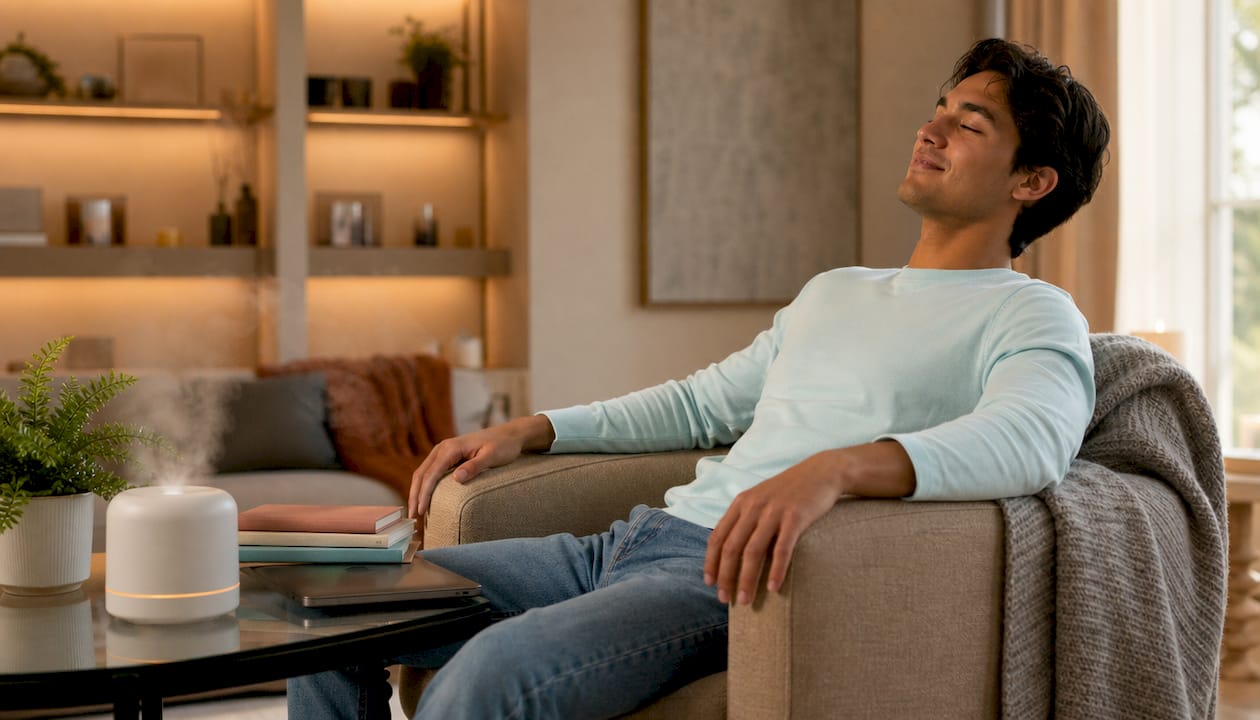
Behavioral research establishes clear links between specific scents and mental performance. Rosemary, grapefruit, and peppermint enhance alertness, while lemon improves professional performance and cinnamon-sugar boosts creativity. These are not vague associations. They are documented cognitive effects that you can apply deliberately in your home.
The emotional side of scent is equally well documented:
-
Lavender relaxes the body and promotes trust between people in a shared space.
-
Orange lowers anxiety and creates a calm, open feeling in a room.
-
Grapefruit does something surprising: studies show it causes people to perceive women who wear it as roughly five years younger. That speaks to how powerfully scent shapes perception beyond just mood.
-
Lemon sharpens focus and has been linked to better performance in work-from-home settings.
Scent also works through memory. The olfactory system connects directly to the hippocampus, the brain region responsible for memory formation. A single fragrance can trigger emotional memories that reduce stress and lower inflammation markers. That is neuroscience, not nostalgia.
Pro Tip: If you work from home, try diffusing lemon or peppermint during focus hours. Switch to lavender or orange in the evening to signal your brain that the workday is done.
What is scentscaping, and how does it work in your home?
Scentscaping is the practice of treating fragrance as a deliberate design element, the same way you treat lighting or furniture placement. Designer Ceci Tucker describes well-scented homes as feeling intentional and welcoming in a way that purely visual design cannot achieve. The goal is to create scent zones that match the purpose and energy of each room.
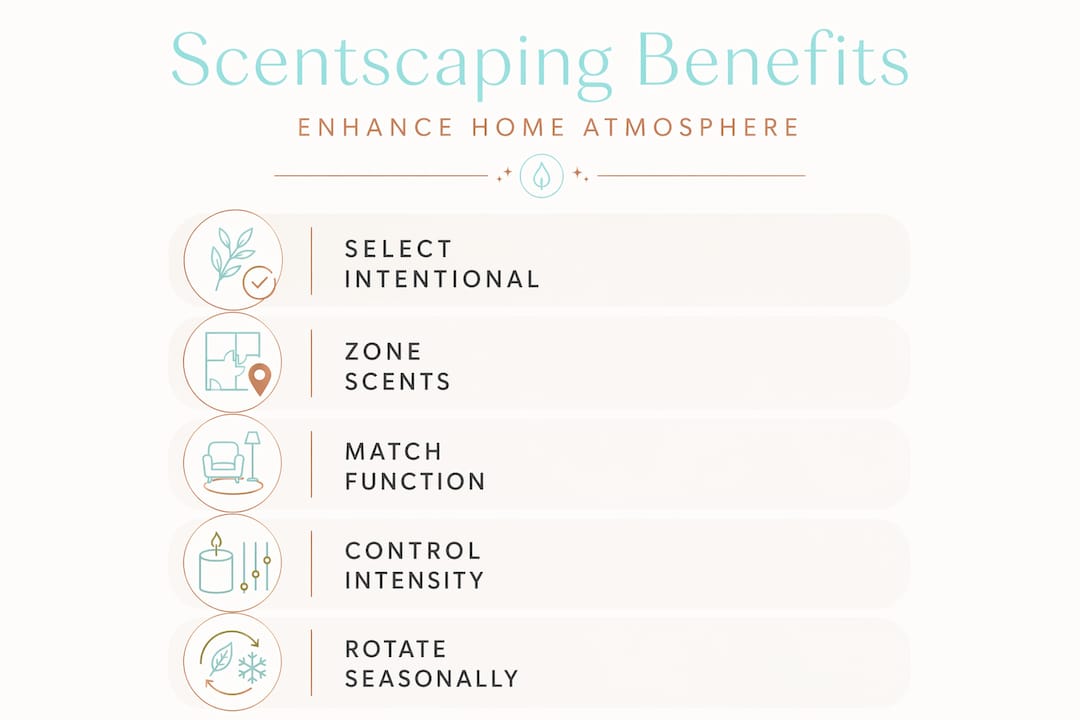
Each room in your home has a different function, and the fragrance there should reflect that.
Matching scent to room function
-
Bedroom: Lavender, chamomile, or sandalwood support rest and relaxation. These scents lower cortisol and prepare the body for sleep.
-
Home office: Rosemary, lemon, or peppermint sharpen focus and sustain alertness during long work sessions.
-
Living room: Warm, woody, or spiced scents like cedar, vanilla, or cinnamon create a welcoming, social atmosphere.
-
Bathroom: Eucalyptus or mint create a clean, spa-like feel. They also influence the perception of air quality, which matters in enclosed spaces.
-
Entryway: A light citrus or fresh green scent sets the first impression. Guests form an opinion of your home within seconds of walking in.
Scentscaping also creates defined zones that influence energy levels and transitions throughout the day. Moving from a stimulating office scent to a calming bedroom scent is a physical cue that helps your nervous system shift gears.
Scent intensity matters as much as scent choice. A fragrance that is too strong in a small room creates sensory fatigue, not comfort. Start with a lighter concentration and build from there. Reed diffusers work well for continuous, low-level scenting. Candles deliver a stronger, more immediate effect. Layering both gives you depth without overwhelming the space.
Pro Tip: Leave at least one room in your home intentionally unscented. The contrast makes your scented spaces feel more intentional and gives your senses a place to reset.
How does scent shape emotional comfort and the feel of a space?
Scent shapes how a space feels at a level that goes beyond decoration. Nostalgic and seasonal fragrances directly influence mood, with focus groups linking sugary cookie scents to cozy comfort, eucalyptus to clean air, and seasonal fragrances to emotional wellbeing. That is why a cinnamon candle in October feels different from the same candle in July. The scent carries seasonal meaning.
The emotional associations that different fragrance families create are consistent across most people:
| Fragrance family |
Emotional effect |
Best room use |
| Floral (rose, jasmine) |
Uplifting, romantic, soft |
Bedroom, living room |
| Citrus (lemon, grapefruit) |
Energizing, fresh, focused |
Office, kitchen |
| Woody (cedar, sandalwood) |
Grounding, warm, secure |
Living room, study |
| Fresh/clean (eucalyptus, mint) |
Alert, clean, open |
Bathroom, entryway |
| Spiced (cinnamon, vanilla) |
Cozy, nostalgic, inviting |
Living room, kitchen |
Scent also shapes how guests experience your home. Home scent psychology shows that a well-chosen fragrance creates a positive first impression that guests associate with the host’s personality and care. A home that smells clean and intentional reads as welcoming before a single word is spoken.
Seasonal rotation keeps your home feeling fresh and emotionally relevant. Light florals and citrus work well in spring and summer. Warm spice and wood notes feel right in fall and winter. Rotating your fragrance with the seasons also prevents scent blindness, where you stop noticing a fragrance you have used too long.
For those who want to connect fragrance to a deeper sense of place and identity, pairing scent with spiritual wellness art creates a layered sensory environment that feels both personal and intentional.
How to choose and layer home fragrances effectively
Choosing the right fragrance starts with testing before you commit. Personal fragrance sensitivity varies significantly between people, and a scent that reads as relaxing to one person may feel cloying to another. Always test a sample in your actual space before buying a full-size product.
Layering fragrances creates depth and avoids the flat, one-note effect of a single scent source. Mixing diffuser and candle scents for layered aromas is a practical technique: use a reed diffuser for a consistent base note and a candle for a warmer, more immediate top note. The two delivery methods work together without competing.
A few practical rules for maintaining a balanced home fragrance:
- Avoid using more than two distinct fragrance families in the same open-plan space.
- Replace reed diffuser sticks every four to six weeks to maintain scent throw.
- Trim candle wicks to roughly a quarter inch before each burn to prevent soot and extend the scent’s life.
- Ventilate rooms briefly before re-scenting to clear stale air and reset the olfactory baseline.
Understanding candle scent families helps you build a fragrance wardrobe for your home the same way you build a wardrobe for your closet. Different scents for different moods, seasons, and rooms.
Choosing plant-based ingredient candles also matters for indoor air quality. Candles made with synthetic paraffin release more particulates than soy or coconut wax alternatives. If you are burning candles daily, the cumulative effect on air quality is real.
Key Takeaways
Fragrance shapes home atmosphere by directly influencing mood, memory, and sensory perception through documented neurological and psychological pathways.
| Point |
Details |
| Scent reaches the brain directly |
Aroma molecules trigger neurotransmitters faster than any other sensory input, shifting mood within seconds. |
| Specific scents have specific effects |
Lavender relaxes, lemon sharpens focus, cinnamon-sugar boosts creativity, and orange lowers anxiety. |
| Scentscaping is a design discipline |
Treating fragrance like lighting or furniture creates intentional emotional zones throughout your home. |
| Not every room needs scent |
Leaving some spaces unscented creates contrast and prevents sensory fatigue in scented areas. |
| Layering and testing improve results |
Combine diffusers and candles for depth, and always test scents in your space before committing. |
What I have learned from living with intentional scent
Most people treat home fragrance as an afterthought. They buy a candle because it smells good in the store, burn it once, and forget about it. That approach misses almost everything that makes scent powerful.
The most important shift I have seen is moving from reactive to intentional scenting. When you choose a fragrance because it matches what you want a room to do, not just because it smells pleasant, the effect on your daily experience is noticeable. A bedroom that smells like lavender and sandalwood does not just smell nice. It signals rest. Your body responds to that signal even before you lie down.
Guests notice scent before they notice almost anything else. A home that smells clean, warm, and considered creates an impression that no amount of styling can replicate. The interesting thing is that the best home fragrances are the ones guests cannot quite identify. They just feel comfortable and do not know why.
The mistake I see most often is using too much fragrance in too many places. Scent fatigue is real. When every room smells strongly of something different, the effect is not layered. It is chaotic. Restraint is the skill. One or two well-chosen scents, applied with intention, do more for a home’s atmosphere than a dozen competing fragrances ever will.
— B
Wickandglow’s home fragrance collection for every room
Wickandglow builds each fragrance around a feeling, not just a scent profile. Every candle, diffuser, and room spray is inspired by R&B music and comes with a playlist, so the sensory experience extends beyond smell.
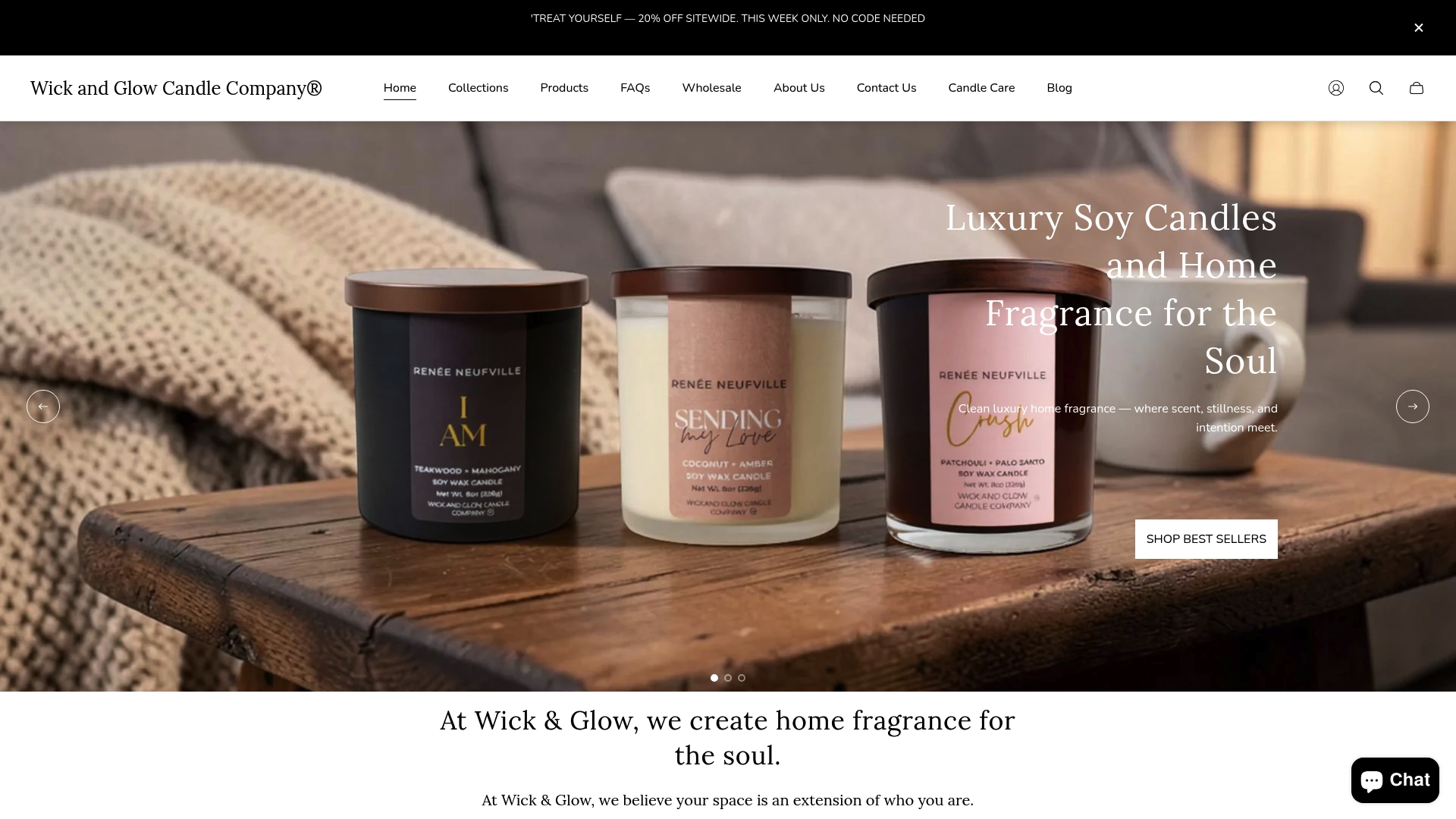
The home fragrance scent bundle pairs a soy candle, reed diffuser, and room spray in one scent, giving you three delivery methods for layered, lasting atmosphere. All Wickandglow products are made with non-toxic, phthalate-free formulations, so you get the mood benefits of fragrance without compromising your indoor air quality. If you want a single room to feel completely different by tonight, this is where to start.
FAQ
How does fragrance affect mood at home?
Fragrance directly influences neurotransmitters through olfactory sensory neurons, shifting mood within seconds of exposure. Lavender relaxes, citrus energizes, and warm spice scents create feelings of comfort and nostalgia.
What scent is best for a home office?
Lemon, rosemary, and peppermint are the most effective scents for a home office. Research links these fragrances to improved alertness, focus, and professional performance.
What is scentscaping?
Scentscaping is the practice of using fragrance as a deliberate design element to create distinct emotional zones in a home. Designer Ceci Tucker describes it as treating scent the same way you treat lighting or furniture.
Can home fragrance reduce stress?
Yes. Neuroscientific research shows that scent-triggered memories lower stress and reduce inflammation markers. Lavender and orange are the most studied scents for anxiety reduction and relaxation.
How many scents should I use in my home at once?
Experts recommend using no more than two distinct fragrance families in a single open-plan space. Leaving at least one room unscented creates contrast and prevents sensory fatigue.
Recommended


