Plant-based ingredient candles are defined as candles formulated with renewable, botanically sourced waxes, fragrances, and additives in place of petroleum-derived paraffin. The role of plant based ingredients in candles extends far beyond a marketing label. Soy, coconut, and palm waxes burn cleaner than conventional paraffin, releasing fewer combustion byproducts into your indoor air. But the wax is only part of the story. The fragrance formulation, wick material, and how you actually burn the candle determine whether your home smells beautiful or quietly accumulates pollutants. Understanding all three gives you real power as a consumer.
What are plant-based waxes and how do they compare to paraffin?
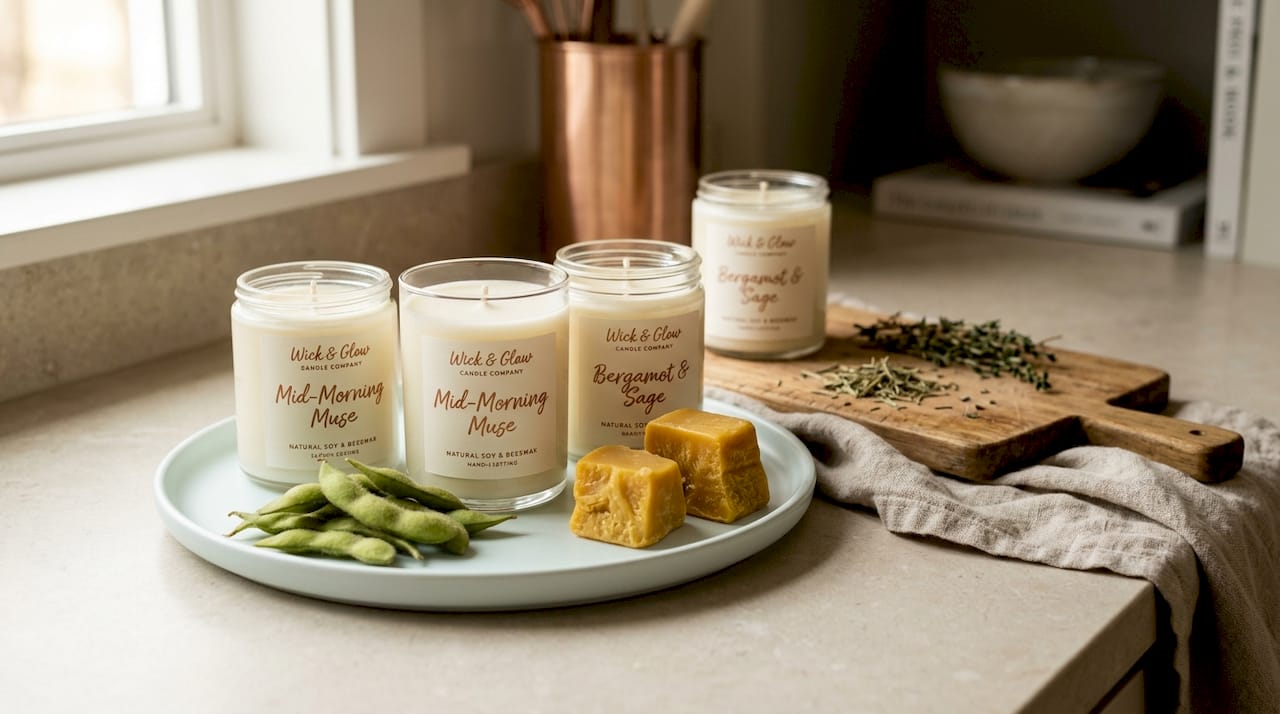
Plant-based waxes are the structural foundation of eco-friendly candle ingredients, and they differ from paraffin in one fundamental way: origin. Paraffin is a petroleum byproduct. Soy, coconut, and palm waxes are renewable and biodegradable, sourced from agricultural crops rather than fossil fuel refining. That distinction matters for both environmental impact and combustion chemistry.
| Wax Type |
Source |
Burn Quality |
Sustainability |
| Soy wax |
Soybean oil |
Slow, even burn |
Renewable, widely available |
| Coconut wax |
Coconut oil |
Creamy texture, clean burn |
Renewable, premium cost |
| Palm wax |
Palm fruit |
Crystalline finish |
Renewable but supply concerns |
| Beeswax |
Honeybee hives |
Long burn, natural scent |
Animal-derived, not vegan |
| Paraffin |
Petroleum refining |
Fast burn, heavy soot |
Non-renewable, petroleum-based |
Soy and beeswax burn more evenly than paraffin, which translates to longer candle life and less wasted wax pooling on the sides of the jar. Coconut wax holds fragrance exceptionally well, making it a favorite for high-scent-throw formulations. Palm wax creates a visually striking crystalline surface, but its supply chain carries deforestation risks unless the palm oil is certified sustainable.
The limitation worth knowing: plant-based wax alone does not guarantee a clean burn. Wick design and burn stability affect soot production more than wax type. Two soy candles sitting side by side can produce very different indoor pollution levels depending on wick quality and burn conditions. The wax choice sets a cleaner baseline, but it does not override poor wick construction or a candle left burning in a drafty room.
Pro Tip: When buying plant-based candles, look for certifications like USDA Organic for soy wax or Rainforest Alliance certification for palm wax. These verify that the sustainability claim on the label reflects the actual supply chain.
How do plant-based fragrances and herbal infusions enhance candles?
The fragrance component of a candle is where the sensory experience lives, and it is also where many “natural” candles quietly reintroduce synthetic chemistry. Natural candles with plant oils use essential oils derived from flowers, bark, citrus peel, and herbs rather than synthetic fragrance compounds. The difference in scent character is real: essential oil-based fragrances tend to be more complex and less linear than their synthetic counterparts.
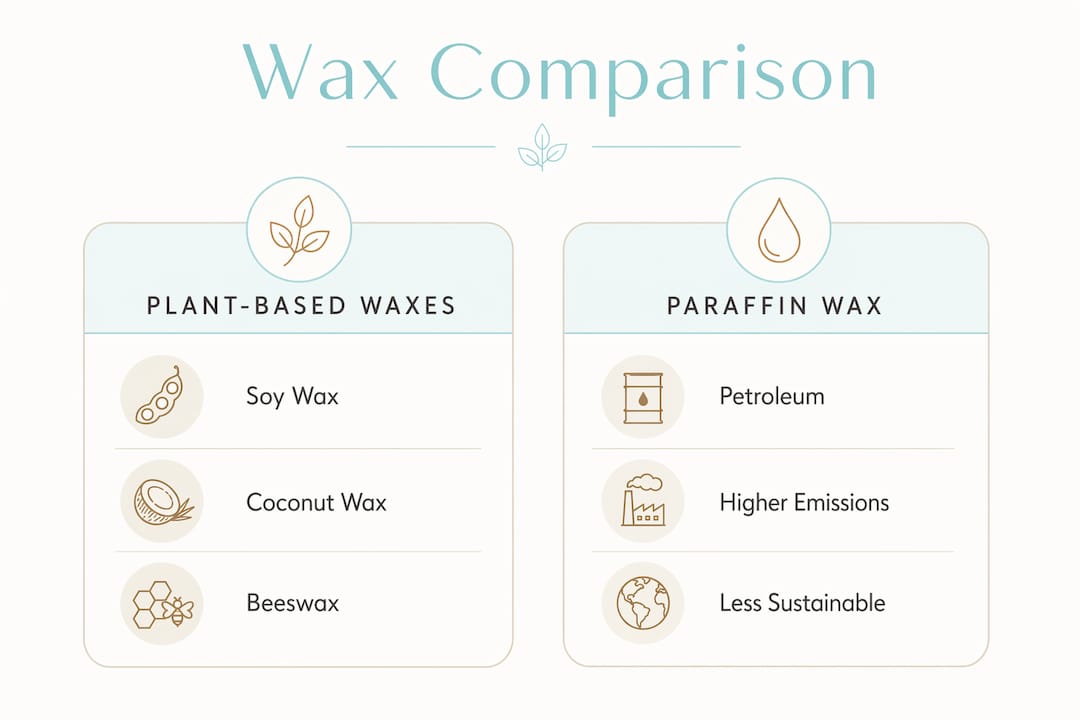
Herbal-infused candles take this further by incorporating dried botanicals directly into the wax. Lavender promotes relaxation, while citrus herbs offer uplifting moods, and these candles combine scent delivery with visual texture that mass-produced candles simply cannot replicate. The dried herbs sit suspended in the wax, releasing their aromatic compounds as the candle burns.
The wellness framing around plant-based fragrance deserves honest context. Aromatherapy benefits from herbal-infused candles are best understood as supportive wellness experiences rather than medical treatments. Lavender essential oil genuinely has documented calming properties in aromatherapy research, but a candle delivers fragrance through combustion, which introduces variables that a diffuser or topical application does not. The scent experience is real. The therapeutic claim requires more nuance.
-
Essential oils to look for: Lavender (calming), bergamot (mood-lifting), eucalyptus (clarifying), cedarwood (grounding), and sweet orange (energizing)
-
Botanicals commonly used in herbal candles: Dried lavender buds, rose petals, chamomile flowers, rosemary sprigs, and calendula
-
What to avoid: “Fragrance oil” listed without further detail often signals synthetic compounds; look for “100% essential oil” or named botanical sources
-
Scent load matters: Higher fragrance concentrations increase VOC output, so a subtly scented candle is often a better daily-use choice than a heavily fragranced one
Pro Tip: For daily ambient burning, choose candles with a fragrance load under 10% of total wax weight. Reserve heavily scented candles for occasional use in well-ventilated spaces.
What is the actual indoor air quality impact of burning plant-based candles?
This is where honest information separates from marketing copy. Burning any candle releases VOCs and particulate matter, including soot, regardless of whether the wax is soy, coconut, or paraffin. The plant-based label signals a cleaner starting point, not a zero-emission product.
Ultrafine particles emitted by burning candles can penetrate lungs and enter the bloodstream, with particle sizes around seven to eight nanometers being particularly easy to inhale and retain. This applies to all candles, though plant-based waxes generally produce lower soot volumes than paraffin under equivalent burn conditions.
The fragrance formulation is actually a larger variable than the wax type. Terpenes from essential oils react with indoor ozone, creating formaldehyde and ultrafine particles as secondary pollutants. A soy candle scented with a high terpene essential oil blend can produce more secondary pollutants than a lightly fragranced paraffin candle. Plant-derived terpenes from essential oils create secondary pollutants indoors, so fragrance-sensitive users should limit burn time and ventilate well despite natural sourcing.
“The label ‘plant-based’ mainly signals renewability, but indoor air risk depends more on wick quality, fragrance choice, and burn practices.” — Toronto Sun
Here is a practical framework for reducing your exposure without giving up candles entirely:
-
Trim the wick to 1/4 inch before every burn. A wick length of approximately 1/4 inch reduces soot output significantly. A long, flickering wick is the single biggest source of candle-related indoor particulates.
-
Open a window or run a ventilation fan. Airing rooms lowers VOC and particle buildup. Even a slightly cracked window makes a measurable difference in a small room.
-
Limit burn sessions to two to three hours. Longer burns accumulate more particulates in the air. Let the room air out between sessions.
-
Avoid burning candles in small, unventilated spaces. Bathrooms and closets concentrate emissions faster than open living areas.
-
Choose candles with cotton or wood wicks. Metal-core wicks, though now rare, historically released lead particles. Cotton and wood wicks burn more cleanly.
How to choose and use plant-based ingredient candles for a healthier, sustainable home
Sustainable candle making and sustainable candle buying share the same logic: ingredient transparency, responsible sourcing, and mindful use. The candle market has expanded rapidly, and not every product labeled “natural” or “eco-friendly” meets a meaningful standard. Here is what to actually look for.
-
Wax transparency: The label should name the specific wax. “Natural wax blend” without further detail often includes paraffin. Look for “100% soy wax,” “coconut wax,” or “beeswax” as standalone declarations.
-
Fragrance sourcing: “Phthalate-free” is a minimum standard. “Essential oil-based fragrance” or named botanical ingredients indicate a higher-quality formulation. Wickandglow’s candles, for example, use phthalate-free fragrance in their soy candle bundles, which is a clear signal of ingredient intention.
-
Wick material: Cotton or wood wicks are the standard for clean-burning candles. Avoid any candle that does not disclose wick material.
-
Container quality: Glass and ceramic containers are inert at candle temperatures. Avoid thin plastic or low-quality metal tins that may off-gas when heated.
-
Burn time claims: Soy and beeswax candles genuinely do burn longer than paraffin equivalents of the same size, so a higher price point often reflects real value in burn hours.
For ongoing candle care, the wick trimming and burn guidance from Wickandglow covers the practical steps that protect both your air quality and your candle’s lifespan. A dedicated wick trimmer makes the 1/4-inch trim consistent and effortless, which matters more than most buyers realize until they see the difference in soot output.
Cleaner burning plant-based candles can genuinely contribute to a healthier home environment when paired with proper ventilation and mindful candle care. The key word is “paired.” The candle is one variable. Your habits are the other.
Pro Tip: When you first light a new candle, let it burn long enough for the wax pool to reach the edges of the container. This prevents tunneling and extends the total burn life by 20 to 30 percent.
Key takeaways
Plant-based candles burn cleaner than paraffin, but fragrance formulation, wick quality, and burn practices determine the actual indoor air quality impact in your home.
| Point |
Details |
| Wax type sets the baseline |
Soy, coconut, and palm waxes are renewable and produce less soot than paraffin under equivalent conditions. |
| Fragrance matters more than wax |
Essential oil terpenes react with indoor ozone, so fragrance choice and load affect emissions more than wax type alone. |
| Wick length is the biggest lever |
Trimming to 1/4 inch before every burn reduces soot output more than any ingredient swap. |
| Ventilation is non-negotiable |
Opening a window during and after burning removes VOCs and particulates that accumulate even with plant-based candles. |
| Ingredient transparency is the buying signal |
Labels naming specific wax types, phthalate-free fragrance, and cotton or wood wicks indicate genuine quality. |
Why I think the “natural candle” conversation is missing its most important point
Most of the discourse around plant-based candles focuses on what is in the wax. After years of watching the home fragrance market evolve, I think that framing misses the real story. The wax is the least interesting variable. The fragrance formulation and the burn environment are where the actual health and sensory experience is determined.
I have seen beautifully formulated soy candles with cotton wicks produce visible soot clouds because the buyer never trimmed the wick. I have also seen lightly fragranced, well-maintained candles of modest ingredient quality burn cleanly for hours in a well-ventilated room. The ritual matters as much as the recipe.
What genuinely excites me about where the market is heading is the move toward full ingredient disclosure. Brands like Wickandglow that name their fragrance components, specify their wax source, and pair their products with care guidance are setting a standard that the broader industry is slowly following. The collaboration with artists like Renée Neufville is not just a marketing angle. It signals that the brand thinks about the full sensory experience, not just the wax spec sheet.
My honest recommendation: buy fewer candles and burn them better. One well-made soy or coconut wax candle, burned with a trimmed wick in a ventilated room, delivers more pleasure and less pollution than three mediocre “natural” candles burned carelessly. The plant-based fragrance for candles movement is real and worth supporting. Just bring your habits along with your purchasing decisions.
— B
Bring plant-based fragrance into your home with Wickandglow
If you want to experience what thoughtful plant-based candle formulation actually feels like, Wickandglow’s home fragrance scent bundle is the clearest entry point. It pairs a soy wax candle with a reed diffuser and room spray, giving you three ways to layer plant-based scent through your space without relying on a single burn source.
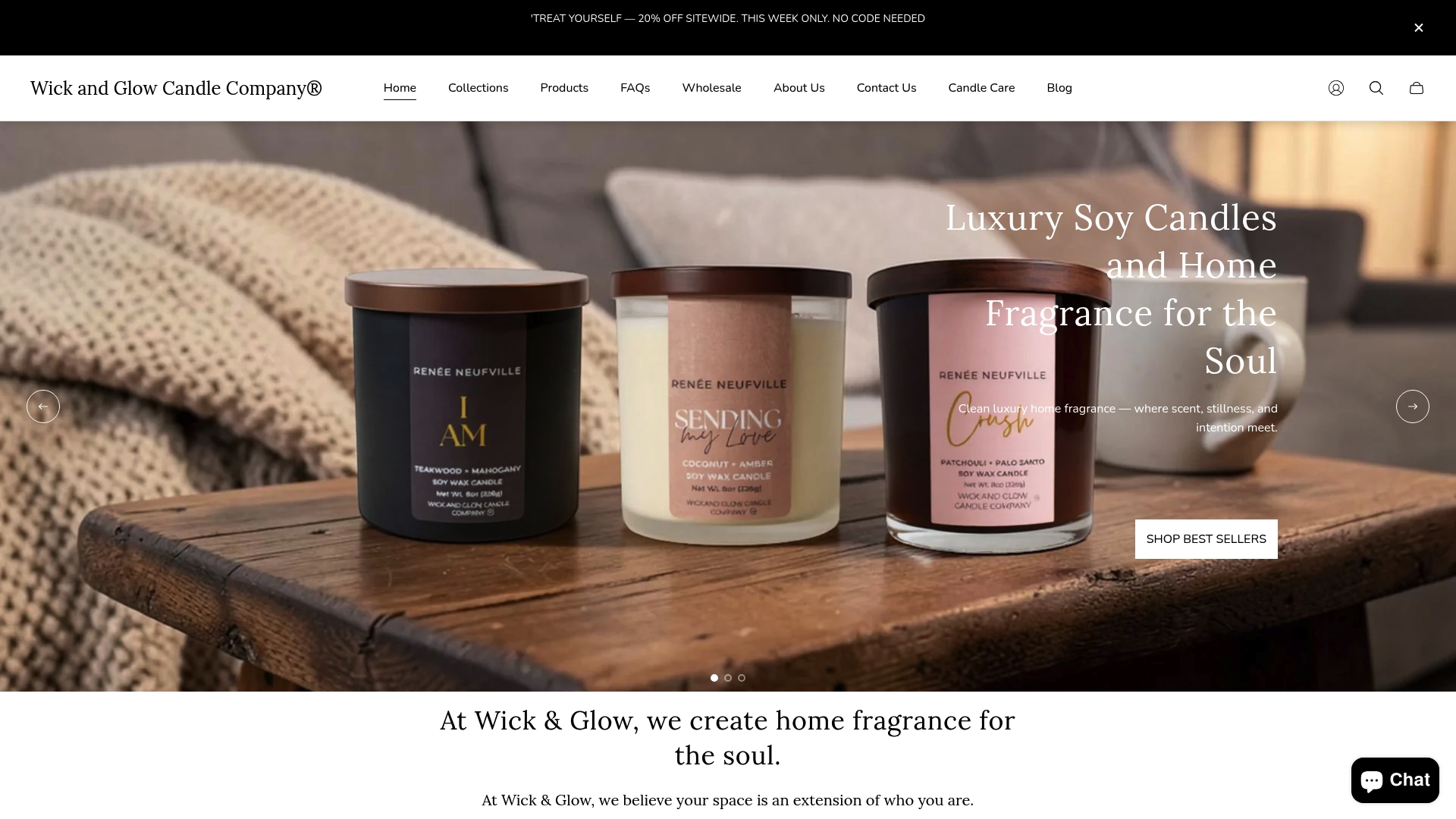
For days when you want fragrance without any combustion at all, the luxury reed diffuser uses plant-based fragrance oils for a continuous, flameless scent experience. Every product is phthalate-free, intentionally formulated, and paired with a playlist that makes the whole experience feel like more than just a candle. That is the Wickandglow difference.
FAQ
What makes a candle truly plant-based?
A plant-based candle uses wax derived from botanical sources like soy, coconut, or palm rather than petroleum-based paraffin, and ideally uses essential oil-based fragrances rather than synthetic fragrance compounds. Full ingredient disclosure on the label is the clearest indicator of a genuinely plant-based formulation.
Are plant-based candles completely safe to burn indoors?
No candle is entirely emission-free. Any candle burning produces VOCs and particulates, but plant-based waxes produce less soot than paraffin, and proper ventilation and wick trimming reduce exposure significantly.
Do essential oils in candles provide real aromatherapy benefits?
Essential oils like lavender and bergamot have documented mood effects in aromatherapy research, but candle delivery through combustion introduces variables that reduce predictability. Treat the benefits as a supportive wellness experience rather than a clinical outcome.
How often should I trim my candle wick?
Trim the wick to 1/4 inch before every single burn. This is the most effective single action for reducing soot and extending candle life, more impactful than any ingredient choice alone.
Is soy wax better than coconut wax for eco-conscious buyers?
Both are renewable and biodegradable. Soy wax is more widely available and typically lower cost, while coconut wax holds fragrance better and has a creamier texture. The better choice depends on your priorities: cost and availability favor soy, while scent throw and burn quality favor coconut.
Recommended


