Indoor air quality candles are products that directly affect the concentration of airborne pollutants inside your home, for better or worse depending on what they are made of. The US EPA confirms that indoor pollutant levels can run 2–5 times higher than outdoor air, making every combustion source inside your home significant. Candle choice sits at the center of this problem for health-conscious homeowners. Understanding why indoor air quality candles matter is the first step toward protecting the people who live in your space.
Why indoor air quality candles matter: the science behind the smoke
Not all candles are equal when it comes to what they release into your air. The wax type, wick material, and fragrance load all determine how much particulate matter and volatile organic compounds (VOCs) a candle pushes into your living space during a burn.
Paraffin wax is the most common candle material, and it carries the highest pollution load. Paraffin candles produce 5 to 10 times more particulate matter per hour than plant-based alternatives. That gap is large enough to matter clinically, not just theoretically. A single paraffin candle burning in a closed room can spike indoor PM2.5 levels from a typical 5–10 µg/m³ up to 50–200 µg/m³, which pushes well past WHO air quality guidelines.
Plant-based waxes like soy and beeswax burn cleaner by comparison. Beeswax sits at the low end of emissions among common wax types. Soy wax produces significantly less soot than paraffin while still delivering a strong scent throw. Knowing the difference between plant-based wax candles and paraffin options is one of the most practical indoor air quality tips you can apply immediately.
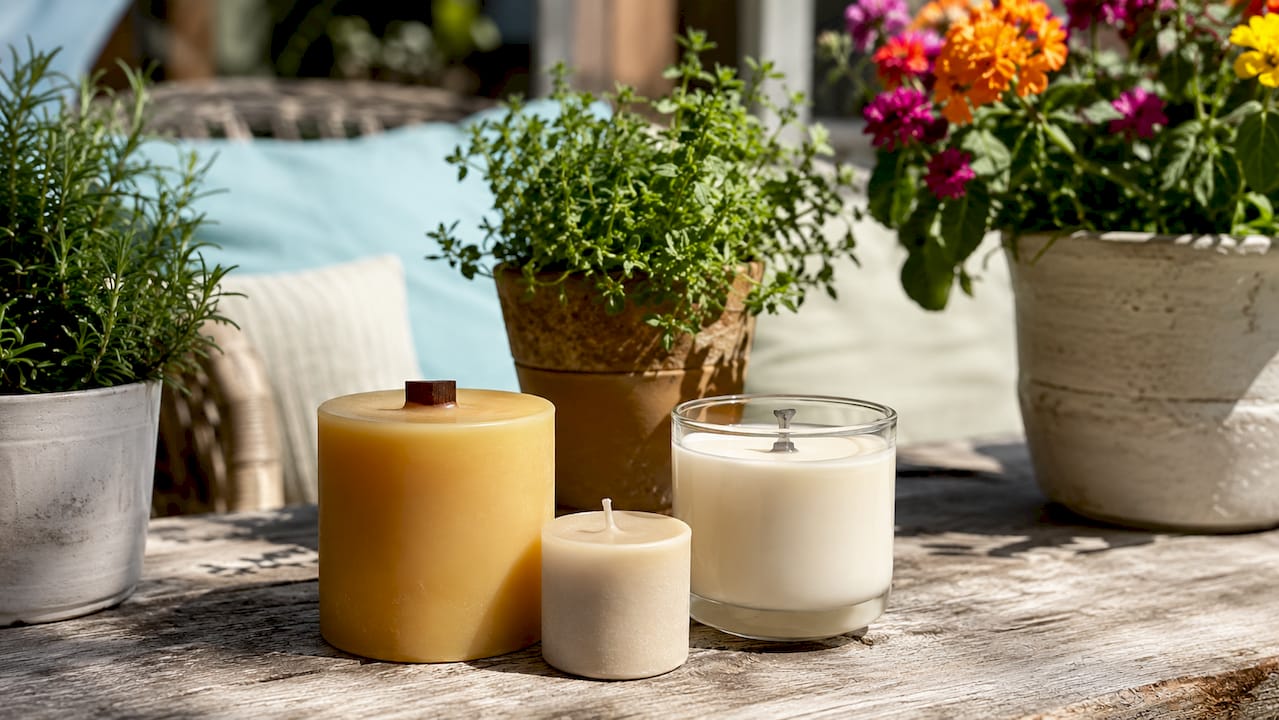
The wick matters just as much as the wax. Cotton wicks with metal cores produce more soot than wooden wicks or plain cotton wicks. Wooden wicks, in particular, tend to burn with a lower, steadier flame that generates less particulate output. Checking the wick material before you buy is a simple filter that most homeowners skip entirely.
| Wax type |
Soot output |
VOC level |
Wick recommendation |
| Paraffin |
High |
High |
Avoid metal-core wicks |
| Soy |
Low to moderate |
Moderate |
Cotton or wooden wick |
| Beeswax |
Very low |
Low |
Plain cotton wick |
| Coconut blend |
Low |
Low to moderate |
Wooden wick |
Pro Tip: Trim your wick to 6mm before every burn. Shorter wicks produce a smaller, cleaner flame that cuts soot and particulate emissions significantly.
What health risks do candle pollutants actually cause?
The health case for choosing cleaner candles is grounded in particle physics, not marketing. Ultrafine particles from candles are smaller and more harmful than the particles generated by cooking. They penetrate deep into lung tissue and can enter the bloodstream directly. That pathway links candle smoke to both lung and cardiovascular disease over time.
Americans spend roughly 90% of their time indoors, and modern energy-efficient homes often lack sufficient ventilation to clear combustion byproducts. That combination, high indoor time plus poor air exchange, means candle smoke accumulates faster than most people realize. A single evening of burning multiple candles in a sealed room creates a meaningful pollution event.
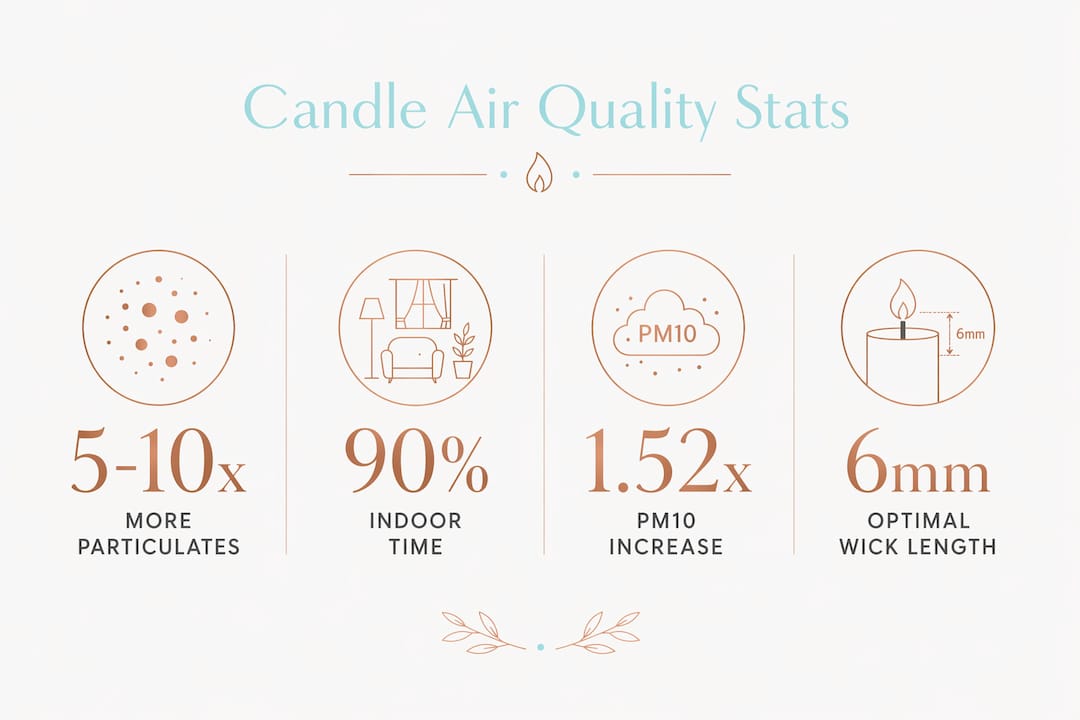
Scented candles carry an additional risk layer. Scented candles can raise indoor PM10 levels up to 1.52 times baseline within minutes of lighting. For people with asthma, allergies, or cardiovascular conditions, that spike is enough to trigger symptoms. Headaches, eye irritation, and airway tightness are the most commonly reported short-term effects.
Candles also produce gases beyond simple soot. Nitrogen dioxide and polycyclic aromatic hydrocarbons (PAHs) form during combustion and have been linked to airway inflammation and long-term cancer risk. These are the same chemical families found in vehicle exhaust. The dose inside a well-ventilated room is far lower, but cumulative exposure across months and years adds up for sensitive groups.
The populations most at risk include:
- Children, whose lungs are still developing and whose breathing rates are higher relative to body size
- Elderly adults with reduced respiratory reserve
- People with diagnosed asthma, COPD, or heart disease
- Pregnant women, given fetal sensitivity to VOC exposure
Common misconceptions about candles and indoor air quality
The biggest misconception is that “natural” automatically means safe. Natural waxes like soy and beeswax still combust, and clean-burning means lower emissions, not zero emissions. A soy candle in a sealed bathroom still degrades air quality. The advantage of plant-based waxes is real but relative, not absolute.
The second misconception is that the risk ends when you blow out the flame. Candle smoke particles remain suspended for hours after extinguishing and spread through indoor airflow. Particulate levels stay elevated long after the candle goes dark. Opening a window only after burning stops is too late to prevent the bulk of exposure.
A third misunderstanding involves fragrance. Many homeowners assume that a pleasant scent signals a clean product. Synthetic fragrance compounds are among the primary VOC sources in scented candles, regardless of wax type. Checking for toxic candle ingredients before purchasing is as important as checking the wax.
Candles do provide genuine psychological benefits. They function as olfactory anchors for stress relief and help create ritual atmosphere at home. The goal is not to eliminate candles but to use them with enough awareness to preserve those benefits without accumulating unnecessary health costs.
Pro Tip: Crack a window before you light a candle, not after you extinguish it. Pre-ventilating the room gives pollutants a path out from the first moment of combustion.
How to choose and use candles for healthier indoor air
Choosing the right candle starts with the ingredient list, not the label. Look for soy, coconut, or beeswax as the primary wax. Avoid candles that list paraffin or undisclosed “wax blend” without further detail. Phthalate-free fragrance oils reduce VOC load compared to synthetic fragrance compounds. Vegan, plant-based formulations tend to carry fewer undisclosed additives.
Ventilation is the single most effective behavior change you can make. The candle-to-air-volume ratio is critical. Multiple candles in a small, unventilated room create a disproportionate pollution burden even when each individual candle is low-emission. One candle in a large, ventilated room is a fundamentally different exposure scenario than three candles in a closed bathroom.
Burn duration also matters. Shorter sessions with fresh air between them reduce cumulative particulate exposure while still delivering the scent and ambiance you want. Limiting burns to 1–2 hours at a time, rather than running candles all evening, cuts your total pollutant load substantially.
Candle alternatives are worth keeping in your rotation. Reed diffusers and room sprays deliver fragrance without any combustion. Wickandglow’s luxury reed diffusers and non-toxic room sprays are phthalate-free and vegan, making them practical complements to candle use on days when ventilation is limited.
Do’s and don’ts for healthier candle use:
-
Do choose soy, coconut, or beeswax candles with cotton or wooden wicks
-
Do trim the wick to 6mm before every single burn
-
Do open a window before lighting, not after extinguishing
-
Do limit burn time to 1–2 hours per session
-
Do use reed diffusers or room sprays as flameless alternatives
-
Don’t burn multiple candles simultaneously in small rooms
-
Don’t assume “natural” wax means zero emissions
-
Don’t rely on extinguishing the candle as your only ventilation strategy
-
Don’t buy candles with undisclosed fragrance compounds or metal-core wicks
Key Takeaways
Choosing plant-based wax candles, trimming wicks to 6mm, and pre-ventilating rooms before lighting are the three most effective steps for reducing candle-related indoor air pollution.
| Point |
Details |
| Wax type determines pollution load |
Paraffin produces 5–10 times more particulate matter per hour than soy or beeswax. |
| Particles persist after extinguishing |
Candle smoke stays suspended for hours, so ventilation must start before lighting. |
| Wick trimming cuts soot significantly |
Trimming to 6mm before each burn reduces both soot output and PM emissions. |
| Sensitive groups face higher risk |
Children, elderly adults, and people with asthma or heart disease should limit exposure strictly. |
| Flameless options eliminate combustion risk |
Reed diffusers and room sprays deliver fragrance without producing particulate matter. |
What I’ve learned from years of burning candles at home
Most people who care about their health still underestimate what a candle does to the air in a closed room. I did too, for a long time. The turning point for me was understanding that the problem is not candles themselves. The problem is how we use them.
I burned paraffin candles for years in a home office with the door closed, thinking the pleasant scent meant everything was fine. Learning that a single paraffin candle can push PM2.5 levels past WHO guidelines in a closed room changed my buying habits permanently. I switched to soy and coconut wax candles, started trimming wicks before every burn, and began cracking a window before lighting rather than after.
The psychological value of candles is real. The ritual of lighting one, the way a specific scent can shift your mood or anchor a memory, that is not nothing. Wickandglow’s approach of pairing scents with R&B playlists and emotional intention gets at something genuine about why people reach for candles in the first place. The goal is not to make candle use clinical. The goal is to make it conscious.
The homeowners who get this right are not the ones who quit candles entirely. They are the ones who treat ventilation as non-negotiable, choose their wax and wick carefully, and keep flameless options like diffusers in the rotation for low-ventilation days. That balance is achievable for almost anyone.
— B
Wickandglow’s clean-burning candles and fragrance options
Wickandglow builds its entire product line around the principle that home fragrance should feel good without compromising the air you breathe.
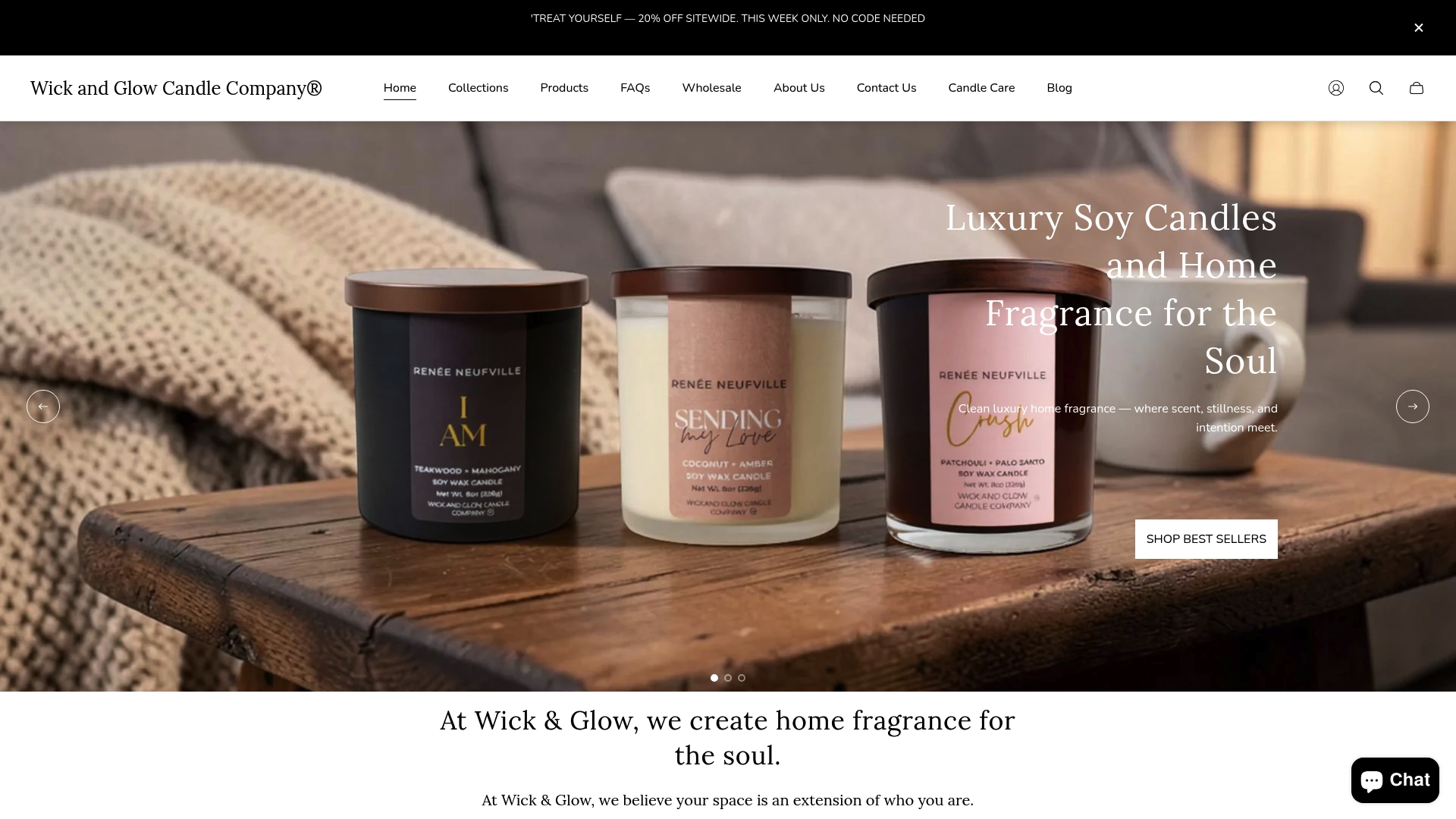
The Home Fragrance Scent Bundle pairs a soy candle with a luxury reed diffuser and a phthalate-free room spray, giving you three ways to scent your space across different ventilation conditions. Every product is vegan and free from harmful synthetic additives. For days when you want fragrance without any flame, the glass reed diffuser delivers long-lasting scent with zero combustion. Wickandglow’s candle care guidance walks you through wick trimming, burn times, and wax pooling so every burn is as clean as possible.
FAQ
Are candles bad for indoor air quality?
Candles do degrade indoor air quality by releasing particulate matter, soot, and VOCs during combustion. Paraffin candles produce the most pollution; soy and beeswax candles produce significantly less.
What type of candle is safest for indoor air?
Beeswax and soy candles with cotton or wooden wicks are the safest options for indoor air quality. Pairing them with proper ventilation and wick trimming reduces emissions further.
How long should you burn a candle indoors?
Limiting burn time to 1–2 hours per session reduces cumulative particulate exposure. Opening a window before lighting and after extinguishing helps clear pollutants from the room.
Do candle pollutants linger after the flame goes out?
Candle smoke particles remain suspended in indoor air for hours after extinguishing and continue to spread through ventilation airflow. Ventilation before and during burning is more effective than ventilating only after.
Are reed diffusers better than candles for air quality?
Reed diffusers produce no combustion byproducts, making them a cleaner option for fragrance in low-ventilation spaces. They are a practical complement to candles rather than a complete replacement.
Recommended


