Soy wax candles are defined as candles made from hydrogenated soybean oil, a fully renewable and biodegradable plant-based material. The benefits of soy wax candles go well beyond aesthetics. Compared to paraffin, soy wax burns cleaner, lasts longer, and releases fragrance more naturally. Brands like Wickandglow and MadeKind have built entire product lines around these advantages, and the growing demand for plant-based candles reflects a real shift in how people think about what they burn in their homes.
1. Benefits of soy wax candles: the core case
Soy wax is derived from soybeans, one of the most widely grown crops in the United States. That origin matters because it makes soy wax a genuinely renewable resource, unlike paraffin, which comes from petroleum refining. The lower carbon footprint of soy wax across its manufacturing lifecycle is a documented advantage over petroleum-based alternatives. Every soy candle you burn is one less product tied to fossil fuel extraction.
Soy wax is also fully biodegradable. When a soy candle reaches the end of its life, the remaining wax breaks down naturally. Paraffin wax does not. That difference adds up across millions of households.
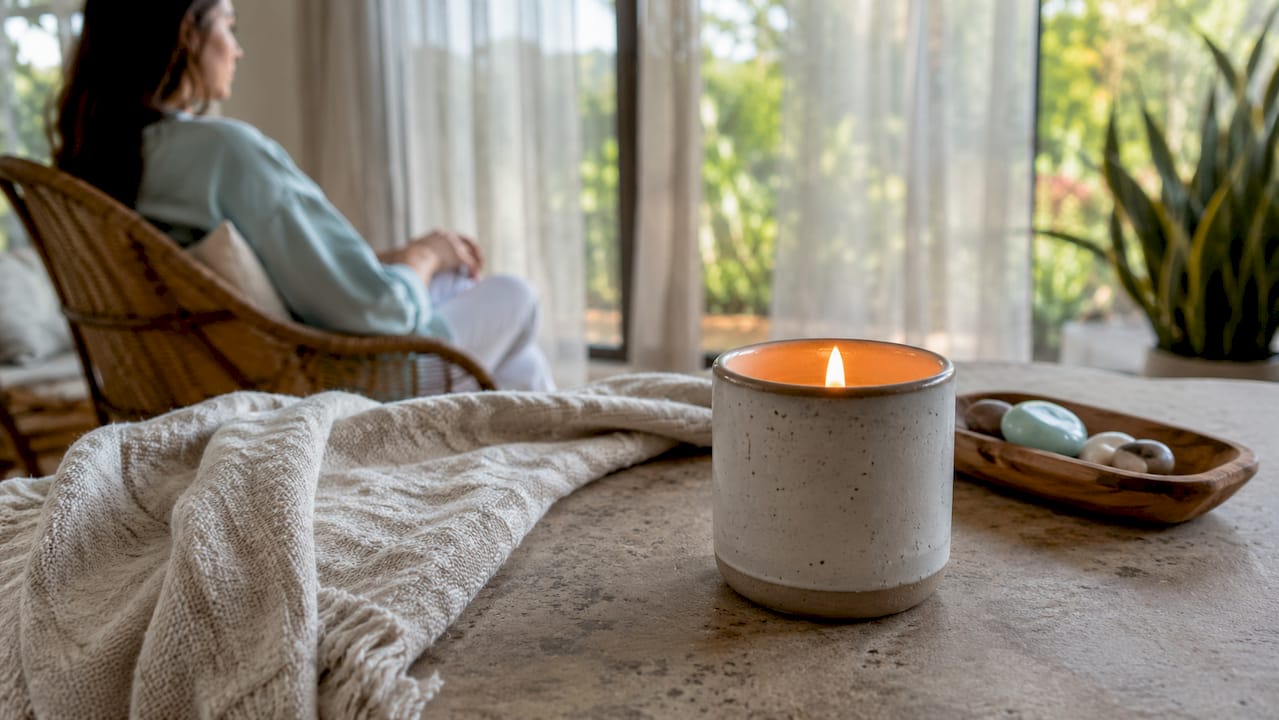
2. Why soy wax is the eco-friendly candle choice
Soy wax candles earn their eco-friendly reputation through three connected qualities: renewable sourcing, biodegradability, and agricultural support.
-
Renewable resource. Soybeans are replanted every season. Petroleum is not.
-
Biodegradable wax. Soy wax breaks down without leaving persistent chemical residue in soil or water.
-
Lower emissions during production. Soy wax manufacturing produces fewer greenhouse gases than paraffin refining.
-
Support for local farmers. Soybean crops support rural economies and sustainable land use, connecting your candle purchase directly to American agriculture.
-
Cleaner end-of-life disposal. Empty soy candle jars clean up easily and can be reused or recycled without toxic residue.
The contrast with paraffin is stark. Paraffin is a byproduct of crude oil refining. Choosing soy wax is a direct vote against petroleum dependency in your home.
Pro Tip: Look for candles labeled “100% soy wax” rather than “natural wax” or “soy blend.” Only the former guarantees you are getting the full eco-friendly benefit.
Soy wax candles produce minimal soot and no carcinogenic compounds like benzene or toluene when burned. That is a significant distinction from paraffin candles, which release both during normal combustion. Benzene and toluene are classified as volatile organic compounds and are linked to respiratory irritation and long-term health risks.
Soy wax candles are also non-toxic and free from formaldehyde and phthalates, making them safer for households with children, pets, or anyone with asthma or chemical sensitivities. The difference shows up in air quality over time. Burn paraffin candles regularly in a closed room and you will notice black soot residue on walls and ceilings. Soy wax leaves none of that behind.
“The candles you burn are part of your indoor air. Soy wax candles keep that air cleaner by eliminating the toxic byproducts that paraffin releases with every burn.”
For a full breakdown of what to avoid, Wickandglow’s guide on toxic candle ingredients is worth reading before your next purchase.
Soy wax burns up to 50% longer than paraffin because its lower melting point slows combustion. That means a 10-hour paraffin candle becomes a 15-hour soy candle at the same size and price point. Over a year of regular use, that difference is measurable in both cost and waste.
The scent performance of soy wax is equally impressive. Here is why it outperforms paraffin:
-
Better fragrance binding. Soy wax holds fragrance oils more effectively at the molecular level, so more scent stays in the wax until it burns.
-
Cleaner scent release. Because soy wax burns cooler, fragrance molecules are released gradually rather than in a sudden burst that fades fast.
-
More authentic throw. Soy wax delivers a more natural fragrance experience without the synthetic sharpness common in paraffin candles.
-
Consistent performance. The scent stays steady from the first burn to the last, rather than peaking early and fading.
Cleanup is another underrated advantage. Soy wax is water-soluble, so spills wipe away with soap and warm water. Paraffin spills require scraping and often leave permanent stains on fabric or wood.
Pro Tip: To maximize scent throw from a soy candle, let the wax pool reach the edges of the jar on the first burn. This prevents tunneling and unlocks the full fragrance capacity of the candle.
5. Soy wax vs paraffin and other waxes: a direct comparison
Understanding the soy wax vs paraffin debate helps you make a smarter buying decision. The table below covers the key variables.
| Feature |
Soy wax |
Paraffin wax |
Beeswax |
Coconut wax |
| Burn time |
Up to 50% longer |
Shorter |
Long |
Long |
| Soot output |
Minimal |
High |
Very low |
Minimal |
| Fragrance hold |
Strong and natural |
Variable, often synthetic |
Low |
Strong |
| Toxicity |
Non-toxic |
Releases VOCs |
Non-toxic |
Non-toxic |
| Renewability |
Yes (plant-based) |
No (petroleum) |
Limited (animal) |
Yes (plant-based) |
| Cleanup |
Easy, water-soluble |
Difficult |
Moderate |
Easy |
Beeswax is a solid natural option, but it is an animal product and carries a higher price point. Coconut wax performs similarly to soy and is also plant-based, though it is less widely available and typically more expensive. For most consumers, 100% soy wax hits the best balance of performance, price, and sustainability.
One critical warning: labels like “Soy Blend” or “Vegetable Wax Blend” often contain significant amounts of paraffin. You do not get the full benefits of a soy candle from a blend. Read labels carefully and demand transparency from the brands you buy.
6. How to choose the best soy wax candle for your home
Choosing a quality soy candle comes down to five non-negotiable criteria.
-
100% soy wax content. Any blend risks paraffin contamination. The label must say “100% soy wax” explicitly.
-
Natural wicks. Cotton or hemp wicks burn cleanly. Avoid metal-core wicks, which can release trace heavy metals. Wickandglow’s sustainable wick guide explains exactly what to look for.
-
Pure fragrance sourcing. Candles scented with pure essential oils or phthalate-free fragrance oils are safer than those using synthetic fragrance blends. Check whether the brand discloses its fragrance ingredients.
-
Brand transparency. Brands that list every ingredient and explain their sourcing are the ones worth trusting. Wickandglow, for example, publishes its ingredient standards and partners with artists like Renée Neufville to create intentional, non-toxic scent experiences.
-
Cruelty-free and vegan certification. This matters if you want a fully plant-based product with no animal-derived additives.
Understanding what clean beauty means for candles is a useful framework here. The same standards that apply to skincare, no hidden toxins, no synthetic fillers, apply directly to the candles you burn in your home.
Key takeaways
Soy wax candles are the cleaner, longer-lasting, and more sustainable choice over paraffin, with real advantages for indoor air quality, scent performance, and environmental impact.
| Point |
Details |
| Cleaner burn |
Soy wax produces no benzene, toluene, or carcinogenic compounds during combustion. |
| Longer candle life |
Soy wax burns up to 50% longer than paraffin due to its lower melting point. |
| Better fragrance |
Soy wax holds and releases fragrance oils more naturally and consistently than paraffin. |
| Eco-friendly sourcing |
Soy wax is renewable, biodegradable, and supports American soybean agriculture. |
| Label awareness |
Only “100% soy wax” guarantees full benefits. Blends often contain paraffin. |
Why I stopped second-guessing soy candles
I switched to soy wax candles years ago, mostly for the air quality argument. What surprised me was how much the scent experience improved at the same time. Paraffin candles I had used before would hit hard in the first hour and then fade into something vaguely chemical. Soy candles hold their scent steadily across the entire burn, and the fragrance smells like the actual ingredient rather than a synthetic approximation of it.
The cleanup difference is real too. I once knocked a paraffin candle onto a linen tablecloth. That stain never fully came out. Soy wax wiped clean with warm water in under a minute. That alone would be enough to convert most people.
What I find most compelling in 2026 is the transparency shift. Brands that use 100% soy wax are almost always the same brands that disclose their fragrance ingredients, use natural wicks, and skip the phthalates. The wax choice is a signal for the whole product. When I see a brand commit to soy, I trust the rest of the label more. That is not a coincidence. It reflects a different set of values about what goes into your home and your air.
— B
Bring Wickandglow’s soy candle collection into your home
Wickandglow builds every candle around 100% soy wax, non-toxic fragrance, and a philosophy that your home scent should mean something. Each candle comes paired with an R&B playlist, so the experience goes beyond fragrance into full ambiance.
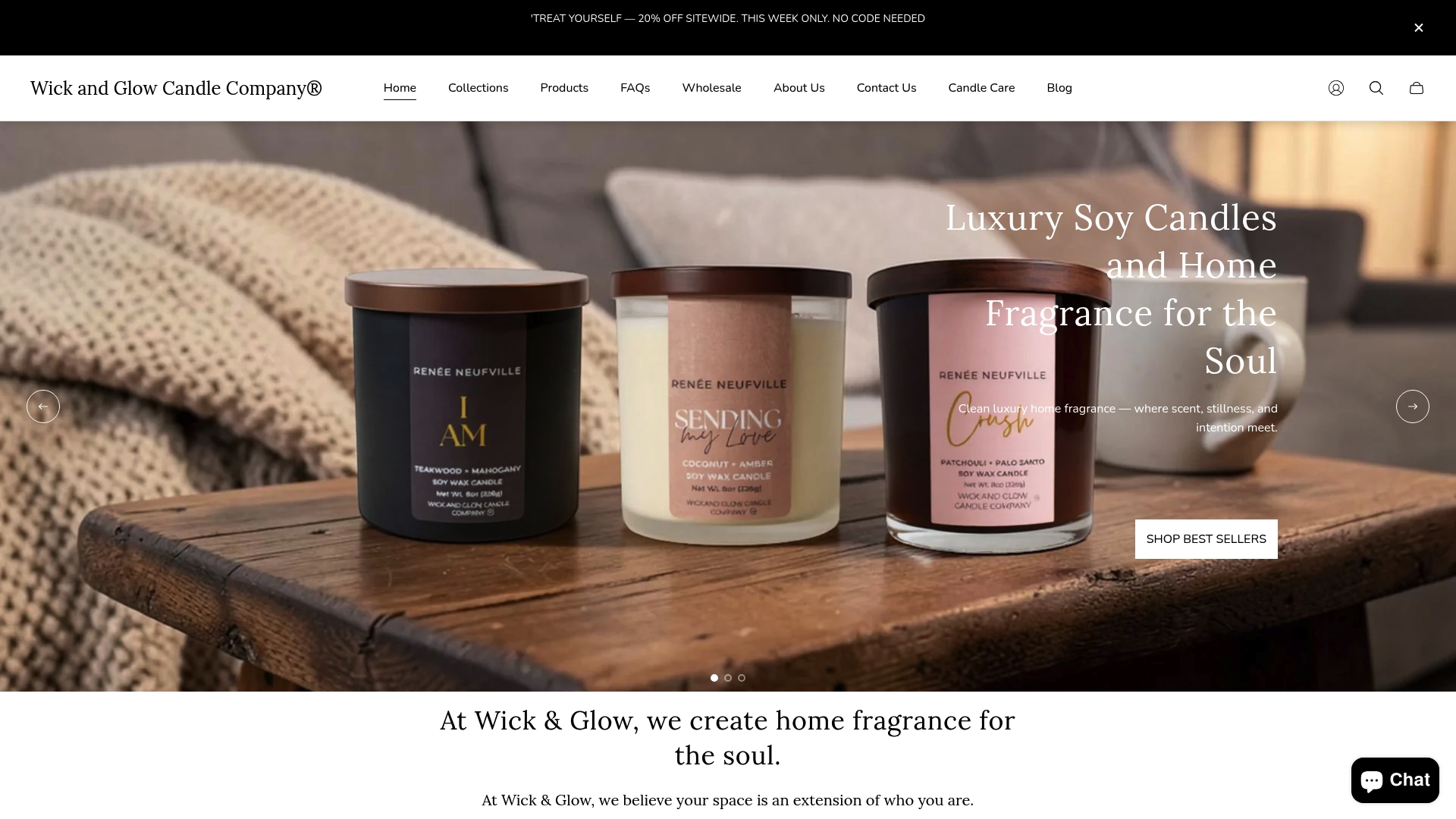
If you want to experience the full range of what clean, plant-based home fragrance can do, the Home Fragrance Scent Bundle is the best starting point. It includes a luxury soy candle, a reed diffuser, and a room spray, all phthalate-free and vegan. For a single statement candle, the I Am Teakwood & Mahogany from the Renée Neufville collaboration delivers a grounding, long-lasting burn that shows exactly what soy wax is capable of.
FAQ
Are soy wax candles actually better for your health?
Soy wax candles are non-toxic and do not emit benzene, toluene, formaldehyde, or phthalates during burning. That makes them significantly safer for indoor air quality than paraffin candles, especially in enclosed spaces.
How much longer do soy candles burn than paraffin?
Soy wax burns up to 50% longer than paraffin because its lower melting point slows the rate of combustion. A soy candle and a paraffin candle of the same size will not last the same amount of time.
What does “soy blend” mean on a candle label?
A “soy blend” label means the candle contains soy wax mixed with other waxes, often paraffin. Only candles labeled “100% soy wax” deliver the full clean-burning and eco-friendly benefits.
Is soy wax better for fragrance than paraffin?
Soy wax holds and releases fragrance oils more effectively than paraffin, producing a stronger and more natural scent throw that stays consistent from the first burn to the last.
Can I clean up soy wax spills easily?
Soy wax is water-soluble, so spills clean up with soap and warm water. Paraffin wax is petroleum-based and leaves stubborn residue that often requires scraping or harsh cleaning products.
Recommended


