Eco-friendly candle wick materials are natural, biodegradable fibers engineered to burn cleanly without releasing heavy metals or toxic residues. The best options, including ECO series cotton wicks, FSC-certified wooden wicks, and plant-based hemp alternatives, meet lead- and zinc-free standards like ASTM F2417 while delivering consistent, efficient burns. Wickandglow builds its candle line around these principles, pairing plant-based waxes with non-toxic wicks to create fragrances that feel as good as they smell. Choosing the right wick material is not just an environmental decision. It directly determines how well your candle burns, how long it lasts, and how safe it is for your home.
1. What are ECO series wicks and why are they the top eco-friendly candle wick materials?
ECO series wicks are the industry standard for natural candles as of 2026, made from flat-braided cotton with paper threads woven through a coreless structure. That design gives them two key advantages: they self-trim during burning, and they curl away from the flame to reduce soot output. No lead, no zinc, and no chemical stiffeners.
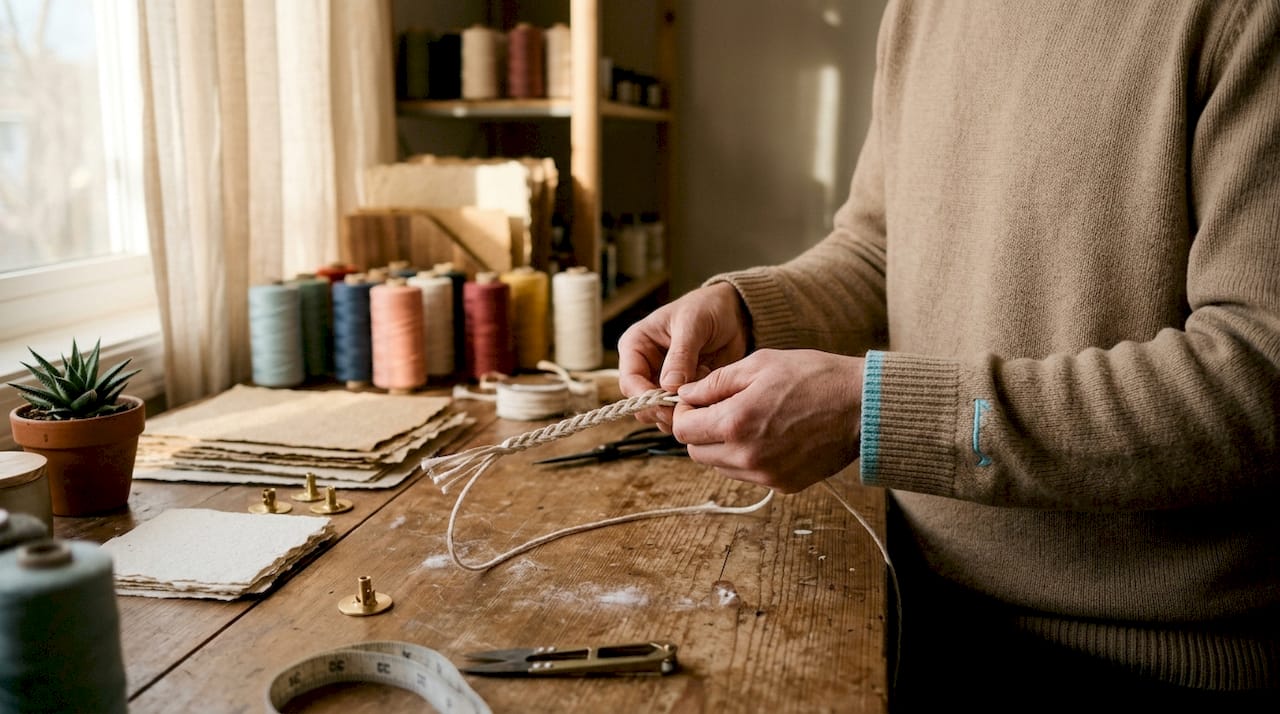
These wicks work exceptionally well with plant-based waxes like soy, coconut, and rapeseed. Each of those waxes has a lower melting point than paraffin, and ECO wicks generate enough heat to create a full melt pool without overdriving the flame. The coreless construction also means fewer chemical treatments during manufacturing, which matters if you are sourcing wicks for a truly clean candle.
Key reasons ECO wicks stand out:
-
Coreless cotton construction eliminates the need for metal or synthetic cores
-
Self-trimming curl reduces carbon buildup and mushrooming at the wick tip
-
Lead- and zinc-free by design, meeting ASTM F2417 safety evaluations
-
Compatible with soy, coconut, and rapeseed waxes without requiring reformulation
-
Standardized sizing across most candle supply catalogs, making replacements easy
Pro Tip: ECO wick sizing is not universal. A wick rated for a 3-inch diameter soy container may underperform in a coconut wax blend. Always test burn before committing to a full batch.
2. Why wooden wicks are a sustainable and aesthetic choice
Wooden wicks sourced from FSC-certified forests carry a lower environmental footprint than most cotton alternatives. FSC certification guarantees the wood comes from responsibly managed forests, and the production process uses fewer chemicals and less water than conventional cotton wick manufacturing. They also biodegrade naturally without leaving harmful residues.
The burn experience is genuinely different from cotton. Wooden wicks produce a wide, low flame with a soft crackling sound that mimics a fireplace. That aesthetic quality is a real selling point for premium candles, and it is why brands like Wickandglow consider wood wicks for their luxury fragrance lines.
The downsides are real, though. Wood wicks require more maintenance than cotton. They need regular trimming to stay below 3/16 of an inch, and extended burns without trimming produce noticeably more soot. Fragrance load also matters more with wood wicks than with cotton.
Practical care for wooden wicks:
-
Trim before every burn to prevent soot and uneven flame behavior
-
Avoid burns longer than 4 hours to protect wick integrity and air quality
-
Test fragrance loads carefully, since high concentrations can weaken the flame
-
Store candles away from drafts, which destabilize the wide wooden wick flame
Pro Tip: If your wooden wick keeps going out, the fragrance load is likely too high. High fragrance oil loads can overwhelm the wood’s absorption capacity and extinguish the flame entirely. Reduce your fragrance percentage by 1–2% and retest.
3. Emerging natural fiber alternatives: hemp and jute wicks
Hemp and jute represent the next generation of sustainable wick materials, and both offer environmental credentials that cotton cannot match. Hemp requires significantly less water to grow and needs almost no pesticides. Jute follows a similar profile, demanding fewer chemicals than conventional cotton from seed to harvest. Both fibers are fully biodegradable.
Hemp wicks are typically coated with edible beeswax to give them enough rigidity to stand upright in a candle mold. That coating also contributes to a slower, more controlled burn rate. The result is a wick that burns cooler than cotton, which works well in beeswax or soy candles where a gentler flame is preferred.
Jute wicks are less common in commercial candle making, but they perform reliably in pillar and container candles when sized correctly. Availability is the main challenge. Most candle supply retailers stock limited jute wick options, so DIY makers often need to source them from specialty suppliers.
Sustainability highlights for hemp and jute:
-
Low water demand compared to conventional cotton cultivation
-
Minimal pesticide use reduces chemical runoff into soil and waterways
-
Fully biodegradable with no synthetic residues after burning
-
Beeswax coating on hemp adds rigidity and slows burn rate naturally
Pro Tip: For large-diameter vessels where a single hemp wick is not thick enough, braiding thin wick strands together increases the capillary surface area and produces a larger, more even melt pool. This technique works for both hemp and cotton.
The right wick size and material must match the wax type and container diameter. This is the single most common mistake in eco candle making. A wick that performs perfectly in paraffin will often underperform in soy, producing a narrow melt pool and leaving wax tunneled around the edges.
Natural waxes like soy have lower melting points than paraffin. That means they need a hotter, more active flame to achieve a full melt pool. Cotton and paper-core wicks in soy candles often require sizing up by one or two numbers compared to what a paraffin-rated chart recommends. Skipping this adjustment leads to soot, tunneling, or repeated flameouts.
Wooden wicks add another variable: fragrance load. A wood wick that burns beautifully in an unscented soy candle may struggle with a 10% fragrance load. The oil saturates the wood faster than it can wick upward, weakening the flame. Testing burn behavior with the actual fragrance concentration you plan to use is non-negotiable before scaling production.
| Wick material |
Best wax pairing |
Common issue |
Fix |
| ECO cotton |
Soy, coconut, rapeseed |
Tunneling in soy |
Size up one number |
| Wooden |
Soy, beeswax |
Flame drowning with high fragrance |
Reduce fragrance load |
| Hemp |
Beeswax, soy |
Insufficient melt pool in large vessels |
Braid multiple strands |
| Jute |
Soy, pillar wax |
Limited sizing options |
Source from specialty suppliers |
Test burns should run for at least 3–4 hours to evaluate melt pool width, flame height, soot output, and wick mushrooming. A single 1-hour test tells you almost nothing useful.
5. Selecting the right sustainable wick: practical guidance for makers and shoppers
Sustainability claims on wick packaging are not always accurate. Some wicks labeled “natural” undergo bleaching or chemical stiffening that undermines their eco credentials. The way to cut through that is to look for specific certifications. REACH compliance and FSC certification are the two most reliable markers that a wick meets genuine environmental standards.
For DIY makers, the choice between cotton, wood, hemp, and jute comes down to three factors: wax type, vessel size, and fragrance load. ECO series cotton wicks are the most forgiving starting point for beginners. They are widely available, consistently sized, and compatible with the most popular natural waxes. Wooden wicks reward makers who want a premium aesthetic and are willing to invest time in testing. Hemp and jute suit makers who prioritize raw material sustainability above all else and are comfortable sourcing from specialty suppliers.
For shoppers buying finished candles, reading the ingredient label is the fastest way to verify wick quality. Wickandglow publishes its wick and wax specifications clearly, which is the standard every eco-conscious brand should meet. A helpful resource for decoding those labels is this candle ingredient label guide.
Quick checklist for verifying eco wick claims:
-
Unbleached fibers: look for natural off-white or tan color, not bright white
-
No metal core: confirm the wick is coreless or paper-cored only
-
REACH or FSC certification: ask the supplier or check the product listing
-
Lead- and zinc-free declaration: required for regulatory compliance in most markets
-
Wax compatibility listed: a reputable supplier always specifies compatible wax types
Cost is a real factor. Hemp and jute wicks cost more per unit than standard ECO cotton wicks because of lower production volume and specialty sourcing. For makers producing in small batches, that premium is manageable. For larger production runs, ECO series cotton remains the most cost-effective natural option without sacrificing environmental standards.
If you are building a sustainable candle practice from scratch, this sustainable candle wick guide covers wick selection alongside wax and fragrance pairing in practical detail. For gift packaging that matches your eco values, resources like sustainable gift wrap solutions round out a fully conscious candle-giving experience.
Key takeaways
The most effective approach to eco-friendly candle wick materials is matching fiber type, certification, and sizing to your specific wax and vessel before committing to any wick at scale.
| Point |
Details |
| ECO wicks are the benchmark |
Flat-braided, coreless cotton with paper threads delivers low soot and self-trimming performance. |
| Certification matters more than labeling |
Look for REACH compliance and FSC certification to confirm genuine eco credentials. |
| Wax type drives wick sizing |
Soy and coconut waxes require larger wick sizes than paraffin-rated charts suggest. |
| Fragrance load affects wooden wicks most |
High fragrance oil concentrations can extinguish wood wick flames; test before scaling. |
| Hemp and jute offer the strongest raw sustainability |
Both require less water and fewer chemicals than cotton, but availability is limited. |
What I have learned from testing every major natural wick type
After working through ECO series cotton, FSC-certified wood, hemp, and jute wicks across dozens of test batches, one truth stands out: no wick material is inherently superior. The wick that performs best is always the one sized and paired correctly for its specific wax, vessel, and fragrance combination.
ECO series wicks are my default recommendation for anyone starting out. The sizing is consistent, the supply chain is reliable, and the self-trimming behavior removes one variable from an already complex process. When I want a candle that creates a moment, not just light, wooden wicks deliver something cotton cannot. That crackling sound changes the atmosphere of a room. But I only reach for wood wicks when I have the time to test fragrance loads carefully, because the margin for error is narrower.
Hemp wicks impressed me more than I expected. The beeswax coating gives them a rigidity that feels almost like a traditional wick, and the burn rate is genuinely slower and cooler. The sourcing challenge is real, though. Finding consistent hemp wick stock from a supplier who can verify chemical-free processing takes more effort than ordering ECO series from a standard candle supply catalog.
The one thing I will not compromise on is chemical transparency. A wick marketed as natural but bleached with chlorine or stiffened with synthetic sizing agents is not an eco product. It is a marketing claim. Check the certifications, ask the supplier directly, and read the wick size and scent throw relationship before you finalize any wick choice. The extra step is always worth it.
— B
Wickandglow’s approach to clean, intentional candle making
Wickandglow builds every candle around the same principle that drives this guide: the materials inside the candle matter as much as the fragrance on top.
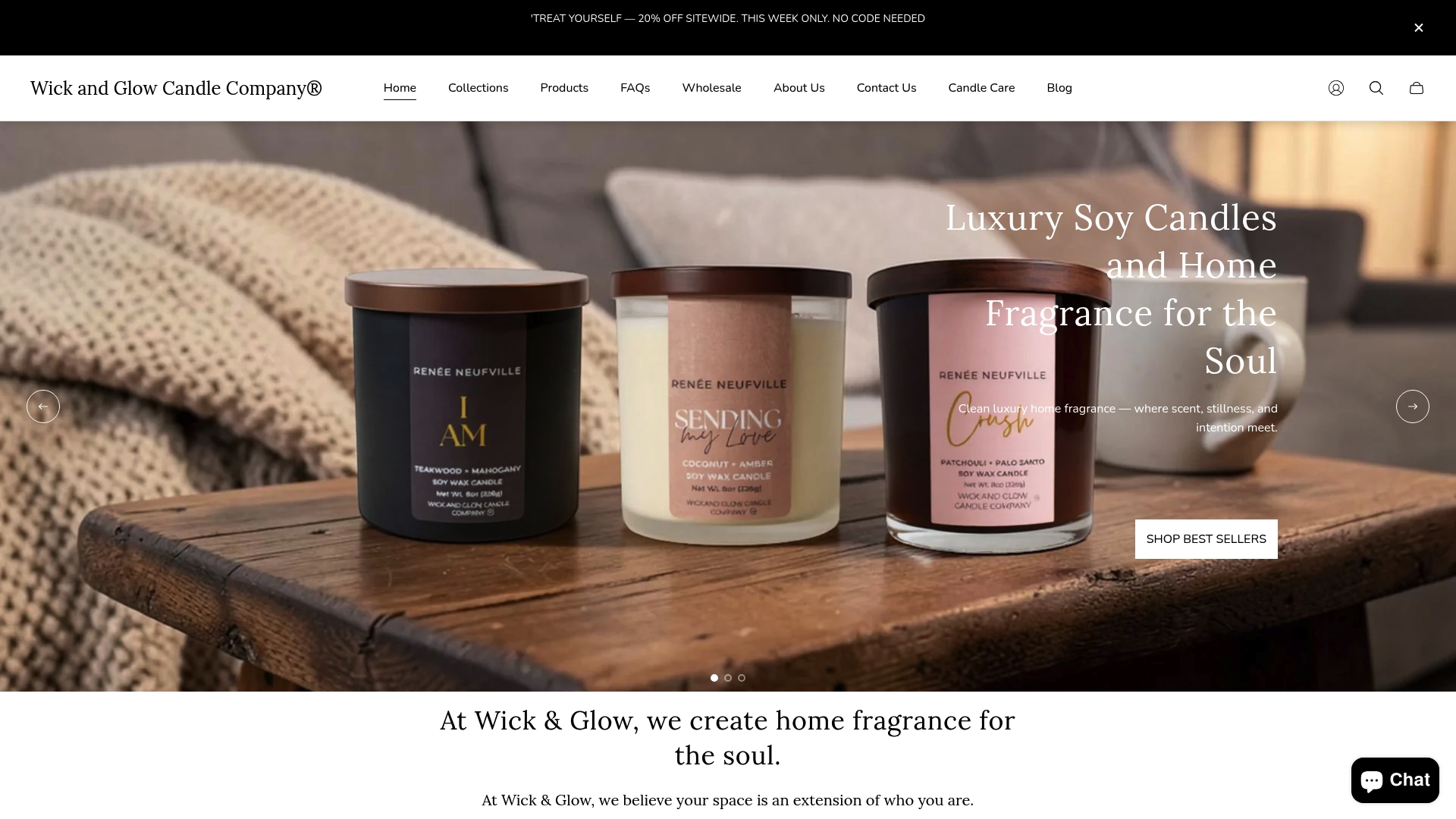
The Exhale Luxury Candle uses plant-based wax and a lead-free, non-toxic wick to deliver a clean, long-lasting burn that fills a room without filling the air with harmful byproducts. Every product in the Wickandglow collection is made with the same commitment to non-toxic ingredients, from the wax to the wick to the fragrance blend. If you want a candle that performs as well as it smells and holds up to scrutiny on every ingredient, the Scenting My Love Collection is a strong place to start.
FAQ
What are the most eco-friendly candle wick materials?
ECO series cotton wicks, FSC-certified wooden wicks, and hemp wicks are the most sustainable options. All three are biodegradable, lead-free, and free from synthetic metal cores.
Are wooden wicks better for the environment than cotton wicks?
Wooden wicks sourced from FSC-certified forests use fewer chemicals and less water than conventional cotton production. However, they require more careful maintenance to avoid excess soot during burning.
How do I know if a candle wick is truly non-toxic?
Look for REACH compliance, FSC certification, and a clear declaration that the wick is lead-free and zinc-free. Unbleached fibers and a coreless or paper-core construction are additional signs of a genuinely non-toxic wick.
Can I use hemp wicks in soy candles?
Hemp wicks work well in soy candles when sized correctly. For larger vessels, braiding multiple thin hemp strands together increases the melt pool coverage and produces a more even burn.
Why does my eco candle tunnel even with a natural wick?
Tunneling in natural wax candles almost always comes from an undersized wick. Soy and coconut waxes have lower melting points than paraffin and require a larger wick size to generate enough heat for a full melt pool.
Recommended


