The core carbon-neutral candle use tips you need
Getting the most from an eco-friendly candle comes down to a handful of habits that protect both your air quality and your investment. These practices apply whether you burn beeswax, soy, or a blended wax.
-
Trim the wick to 1/4 inch before every burn. Wick trimming directly reduces smoke and soot, keeping your flame steady and your air cleaner.
-
Let the wax pool reach the container edges on the first burn. A complete melt pool on that initial burn prevents tunneling and ensures you use every bit of wax.
-
Cap burn sessions at a few hours max. Burning longer than that degrades the wick and increases indoor pollutants.
-
Keep candles away from drafts. Moving air causes uneven burning, more flicker, and faster wax consumption.
-
Choose 100% pure soy or beeswax. Always check the label. “Natural blend” can still hide paraffin.
-
Pair candle use with ventilation. Candles enhance ambiance but do not replace fresh air or cleaning.
-
Consider a beeswax-soy blend for a balance between scent throw and air-purifying properties.
Table of Contents
Wick maintenance is the single most overlooked step in candle care, and it pays off immediately. A trimmed wick produces a smaller, more controlled flame that burns through wax at a measured pace instead of racing to the bottom of the jar.
-
Trim before every single light, not just the first. Residue from the previous burn makes the wick mushroom, which creates soot.
-
First burn matters most. Let the wax melt fully across the surface before extinguishing. Skipping this step creates a memory ring the candle follows every time after.
-
Stop at four hours. Overheating the wax pool weakens the scent and accelerates wick breakdown.
-
Choose lead-free, natural wicks. Cotton and wooden wicks produce far fewer toxic emissions than older lead-core alternatives. Wickandglow’s eco-friendly wick guide covers the material differences in detail.
-
Store candles in a cool, dry spot away from sunlight. Heat and UV light degrade fragrance oils before the candle ever gets lit, so proper storage preserves the scent you paid for.
-
Stable placement matters. A steady surface away from fabric, pets, and air vents keeps the flame even and the burn clean.
Pro Tip: Wooden wicks crackle like a fireplace and are sourced from renewable wood, making them a sensory and sustainable upgrade over standard cotton.
Beeswax vs. soy wax: which one fits your goals?
The choice between beeswax and soy wax is not about which is “better” in the abstract. It depends entirely on what you want from a candle.
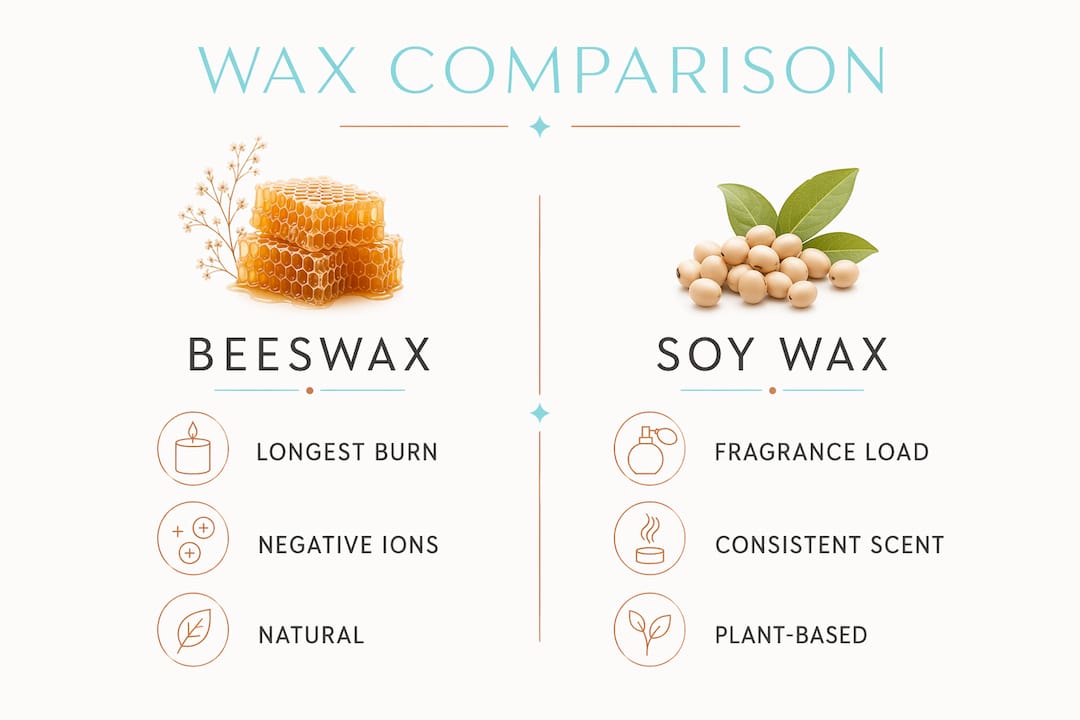
Beeswax burns the longest of any natural wax because of its higher melting point. It also releases negative ions when lit, which can neutralize indoor pollutants like dust and mold. The trade-off is a subtler, honey-like scent that does not carry synthetic fragrance as aggressively as soy. If air quality and burn longevity are your priorities, beeswax wins.
Soy wax holds fragrance oils exceptionally well, giving you a consistent scent throw that fills a room gradually. It costs less than beeswax, supports US agricultural supply chains when sourced domestically, and is biodegradable. The National Candle Association notes that soy candles are rising in popularity among consumers reducing their carbon footprint. For those who love rotating through fragrance profiles, soy is the more versatile platform.
Both waxes carry a significantly lower carbon footprint than paraffin, which is a petroleum byproduct. A beeswax-soy blend captures the ion-releasing properties of beeswax alongside the scent versatility of soy. Whatever you choose, look for “100% Pure” on the label. A candle marketed as “natural” can still contain hidden paraffin in a blend.
For a deeper look at how soy wax contributes to a cleaner home environment, Wickandglow’s soy wax benefits guide breaks it down by wax type and burn behavior.
How to build a music-inspired sensory atmosphere with your candles
Wickandglow was built on a specific idea: fragrance and music belong together. Each candle in the collection is tied to an R&B song and comes with a playlist, so the scent and the sound reinforce each other. That pairing is not just a branding choice. It reflects how memory actually works. Scent and sound both route through the limbic system, the brain’s emotional center, which is why a particular fragrance can pull up a feeling as fast as a song can.
-
Match scent to mood, not just preference. Lavender lowers cortisol. Peppermint sharpens focus. Citrus lifts energy. Pick the scent that fits what you want the room to feel like.
-
Layer candles with a diffuser for depth. A reed diffuser running a complementary scent in the background adds dimension without competing with the candle’s throw.
-
Scale to room size. One candle works well in a bedroom or bathroom. A larger living room benefits from two candles placed at opposite ends, or a candle paired with a diffuser.
-
Let the playlist set the pace. Slower tempos slow breathing and make a space feel more intimate. Faster rhythms energize. The scent you choose should match that tempo.
-
Burn the same candle for the same ritual. Repetition builds association. Light the same scent every time you sit down to read or wind down, and your nervous system starts to respond before the wax even melts.
Wickandglow’s collaboration with Renée Neufville is a good example of this in practice. The fragrance was developed alongside the music, not as an afterthought, so the two genuinely complement each other.
Carbon-neutral certification is not a label any brand can self-apply. The process involves a full life cycle analysis of greenhouse gas emissions, followed by purchasing verified carbon credits to offset what cannot be eliminated. SCS Global Services, which certified Calumet’s TitanZero wax blend, conducts independent assessments that cover raw material extraction through manufacturing. That standard is what separates genuine carbon-neutral claims from marketing language.
Beyond the wax itself, your habits shape the footprint of every candle you burn.
-
Buy candles with refillable or recyclable packaging. The National Candle Association recommends refill services as a direct way to reduce waste.
-
Repurpose the jar. An empty candle vessel works as a planter, a pen holder, or a small storage container.
-
Avoid paraffin and synthetic fragrances. Paraffin releases volatile organic compounds (VOCs) including benzene and toluene when burned. Natural waxes with pure essential oils produce far less.
-
Support brands with verified offset programs. Carbon credits tied to renewable energy or industrial greenhouse gas capture carry more weight than vague “eco-friendly” claims.
-
Minimize leftover wax waste. The National Candle Association suggests de-potting remaining wax by freezing the jar until the wax shrinks and pops free, then using it in a wax warmer.
Wickandglow’s carbon footprint resource walks through the production-side factors that determine how much a candle actually costs the environment.
How to reduce indoor pollution while burning candles
Even a well-made soy or beeswax candle produces some combustion byproducts. The goal is to keep those byproducts minimal and manage your indoor air actively.

Open a window or run a ventilation fan when burning candles in a small room. Fragrance compounds can interact with indoor air chemistry, especially in tightly sealed spaces. Washing soft surfaces like curtains, rugs, and upholstery regularly removes accumulated particulates that candles and other sources deposit over time. A flickering flame from a draft or an untrimmed wick produces more soot than a steady one, so the wick care habits from earlier do double duty here. Candles are atmosphere, not air purifiers. Fresh air, surface cleaning, and odor removal at the source all matter more for overall indoor air quality.
Maximizing aromatic ambiance with carbon-neutral candles
The scent throw of a natural wax candle depends on three things: wax quality, fragrance load, and room conditions. Soy wax binds fragrance oils well, releasing them gradually as the wax pool warms. Beeswax carries scent more subtly but purifies the air as it burns. A 100% natural soy candle with a wooden wick delivers both a clean burn and the ambient crackle that makes a room feel alive.
Position candles at mid-height, on a coffee table or shelf, rather than on the floor. Scent disperses upward and outward from the flame, so elevation helps it reach the room faster. Avoid placing candles directly under air vents, which dilutes the fragrance before it can settle. For a layered effect, pair a candle with a complementary room spray or diffuser at a lower intensity so the two scents support rather than fight each other.
Key Takeaways
Trimming your wick, choosing the right wax, and pairing fragrance with music are the three habits that separate a forgettable candle from a genuinely transformative one.
| Point |
Details |
| Trim the wick every time |
Cut to 1/4 inch before each burn to reduce soot and keep the flame controlled. |
| First burn sets the pattern |
Let the wax pool reach the container edges to prevent tunneling and wasted wax. |
| Burn time: 2–4 hours max |
Longer sessions degrade the wick and raise indoor pollutant levels. |
| Beeswax purifies, soy throws scent |
Choose beeswax for air quality and longevity; choose soy for fragrance versatility. |
| Ventilation is non-negotiable |
Candles complement fresh air and cleaning; they do not replace either. |
Explore Wickandglow’s candle collections
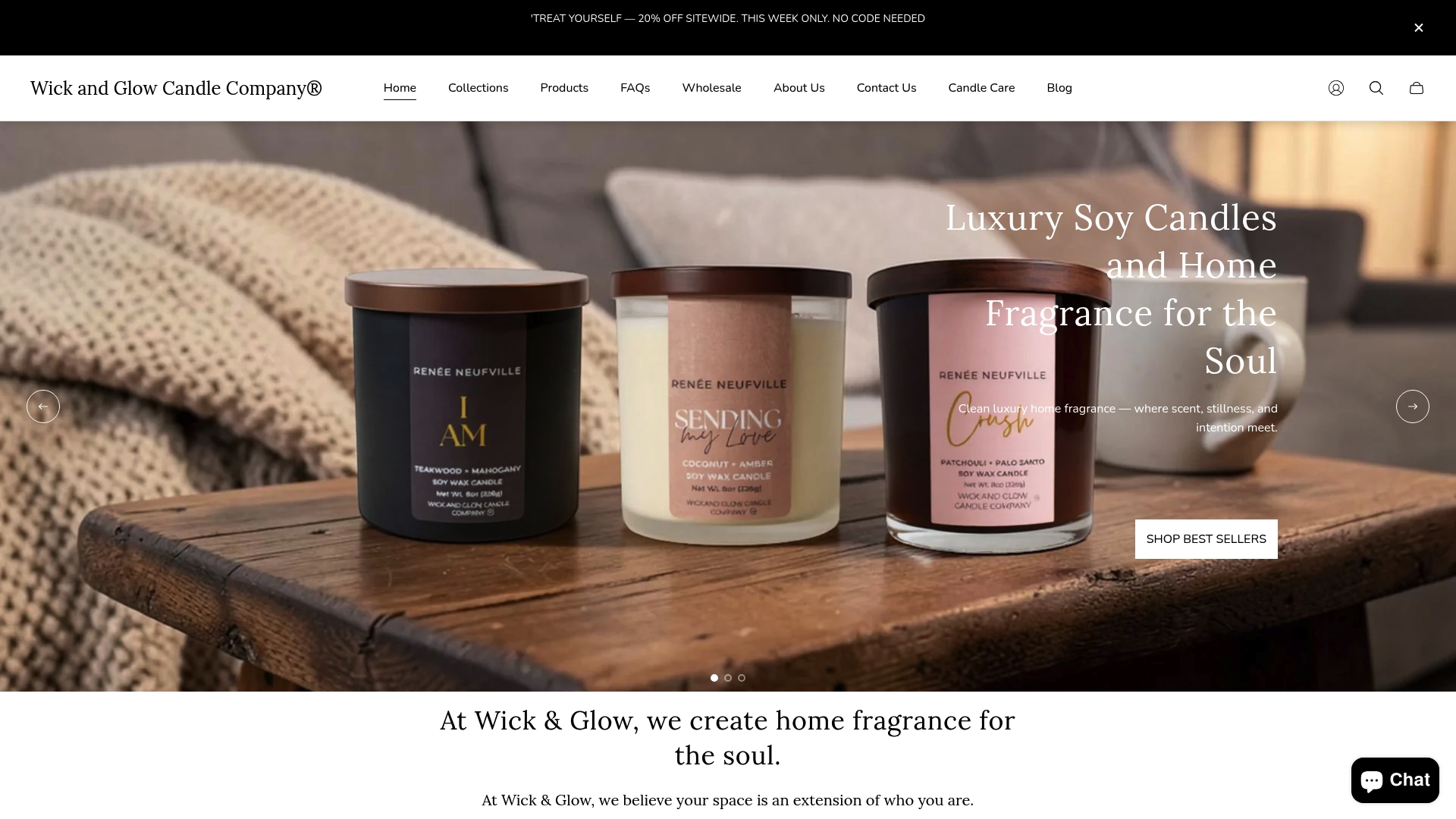
Wickandglow candles are made with intention, each one tied to an R&B track and designed to transform a room into something that feels personal. The Candle Care page covers everything from first-burn technique to storage, straight from the brand. If you want a curated starting point, the Men Love Candles Too collection offers scent profiles built for complexity and staying power. For a full sensory set, the Scenting My Love Trio pairs three complementary fragrances designed to work together across a space.
Recommended


