The fastest way to eliminate bathroom odors naturally is to combine three things at once: source control (drains, ventilation, and surface cleaning), an odor absorber like baking soda or activated charcoal, and a light, non-toxic scent layer such as a diluted essential-oil spray. Skip any one of those and the smell comes back within days. The sections below cover exactly how to set each layer up, how often to refresh it, and where the safety limits are.
TL;DR:
- Regularly ventilate and dry the bathroom after each use to prevent moisture buildup that promotes bacterial odors.
- Use specific absorbers like baking soda, activated charcoal, dried coffee grounds, and rice sachets, replacing or reactivating them every few weeks.
- Clean drains, grout, and hidden spots with baking soda, vinegar, or enzymatic cleaners to eliminate the source of persistent odors.
- Apply a light scent layer through oils or diffusers only after cleaning and drying to avoid masking underlying issues.
- Maintain consistent habits such as washing fabrics and wiping surfaces weekly to prevent odor recurrence and keep the space fresh.
Table of Contents
8 Natural Bathroom Odor Solutions That Actually Work
Fragrance alone never fixes a bathroom smell. It just perfumes the problem for a few hours. These eight steps hit moisture, bacteria, and lingering fragrance in the right order.
-
Ventilate and dry out the room. Run the exhaust fan for 20 minutes after every shower, crack a window when weather allows, and consider a small dehumidifier if the room stays humid past midday. Moisture feeds the bacteria that cause most bathroom odors.
-
Set out an open jar of baking soda. A half cup in a small dish neutralizes acidic and musty smells rather than covering them.
-
Tuck an activated charcoal bag under the sink. Charcoal pulls moisture and odor from tight, damp corners where mold likes to start.
-
Flush drains regularly with baking soda and vinegar. Slow drains trap hair and soap scum that rot and smell like sulfur.
-
Dry coffee grounds or rice into sachets. Both absorb odor for weeks once fully dried.
-
Add a diffuser or a diluted essential-oil spray. This is the final layer, not the fix.
-
Keep a small plant or a sprig of eucalyptus nearby. Some plants tolerate bathroom humidity and add a faint natural scent.
-
Build quick daily habits. Empty the trash, hang towels flat, and wipe wet counters before they dry into film.
How to Set Up Baking Soda, Charcoal, Coffee, and Rice Absorbers
Each absorber has its own setup, and getting the ratio wrong is the most common reason people think “natural doesn’t work as well as spray.”
-
Baking soda: Fill a small open jar with a half to one cup. A mason jar with a few holes punched in a lid keeps curious pets out while still letting air circulate. Add two or three drops of essential oil if you want a faint scent, and baking soda neutralizes odors rather than masking them, which is why it outperforms spray-only routines. Swap it out regularly every few weeks.
-
Activated charcoal: Use a breathable bag with one to two cups of charcoal, placed under the sink or near the toilet where moisture collects. Charcoal can be reactivated by setting the bag in direct sunlight for a few hours, which helps it keep absorbing for several weeks before you need a fresh bag.
-
Coffee grounds: Spread used grounds on a baking sheet and dry them in a low oven for 15 to 20 minutes before storing them in a lidless pot. Dried coffee grounds absorb odor for several weeks, but skipping the drying step invites mold instead of freshness.
-
Rice sachets: Fill a breathable cloth pouch with rice, add a few drops of essential oil, and refresh the oil every one to two weeks. Replace the rice itself monthly since it holds onto moisture over time.
Pro Tip: Label each jar or bag with the date you set it out. It’s easy to forget an absorber has been sitting for two months, and a saturated one stops working without any obvious sign.
Clean the Actual Source: Drains, Grout, and Hidden Odor Spots
Absorbers and sprays only manage what’s already in the air. The smell keeps returning until you deal with what’s producing it.
- Pour a half cup of baking soda down the drain, follow with a half cup of white vinegar, and let it fizz for 15 minutes before flushing with hot water. This breaks down the biofilm that builds up in P-traps and causes sulfur smells.
- Mix equal parts white vinegar and water in a spray bottle for counters, tile, and the toilet exterior. Skip vinegar on natural stone like marble or granite, since the acid etches the surface.
- Check under-sink cabinets, the caulk line around the tub, and bathroom exhaust vents for hidden mildew or lint buildup. These spots often hold the real source of a smell no spray can reach.
- If the smell resembles raw sewage and won’t budge after a full cleaning pass, the problem may be an evaporated P-trap in a rarely-used drain or a cracked vent pipe. That calls for a plumber, not another round of vinegar.
Layer in Fragrance: Oils, Diffusers, and Safe Sprays
Once the room is dry and clean, a light scent layer finishes the job instead of trying to do it alone.
For a simple spray, combine water with one to two tablespoons of vodka or witch hazel and 10 to 20 drops of essential oil in a glass bottle. The alcohol helps disperse the oil evenly instead of letting it float on top. Shake before every use and test on fabric before spraying towels or mats directly.
-
Diffusers work well in bathrooms with steady airflow, but water-based ultrasonic models can struggle in high humidity.
-
Reed diffusers need no electricity or flame, making them a safer, more consistent option for small or humid bathrooms.
-
Candles add warmth but should never be left burning unattended near towels or shower curtains.
Tea tree, lavender, eucalyptus, lemon, and peppermint oils carry antibacterial or antifungal properties, which makes them better picks for bathrooms than purely floral scents. Keep certain oils, including tea tree and peppermint, away from cats and heavily diluted around dogs, and always air out the room for a few minutes after spraying if young kids are nearby.
A Simple Daily and Weekly Routine to Stop Odors Before They Start
Odor control is mostly about habits, not products. Consistent ventilation, laundering, and quick wipe-downs outperform any single deodorizer over time.
Daily (5 to 10 minutes):
- Empty small trash bins before they fill up.
- Hang towels flat or on hooks instead of leaving them bunched.
- Wipe down wet counters and the sink basin.
- Run the exhaust fan for 15 to 20 minutes after a shower.
Weekly (30 to 45 minutes):
- Flush drains with baking soda and vinegar.
- Wash bath mats on a hot cycle if the fabric allows it.
- Wipe down the toilet base, seal, and sink overflow holes.
When a Curated Non-Toxic Product Beats a DIY Mix
DIY sprays work, but oil ratios drift every time you refill the bottle, and a batch mixed too strong can irritate skin or overwhelm a small room. A formulated product removes that guesswork.
Wick & Glow builds its reed diffusers, sprays, and candles with clean, vegan, phthalate-free ingredients, so every batch delivers the same subtle strength instead of the trial-and-error of a homemade blend.
That consistency matters most in a small, enclosed bathroom where too much fragrance turns cloying fast. Readers who want the vegan formulation details behind these products can see exactly what’s excluded, and why that matters for a room people use every day.
Essential Oil and DIY Spray Safety Rules
Natural doesn’t automatically mean risk-free. A few guardrails keep these methods safe for the whole household.
- Avoid tea tree and wintergreen around cats entirely, and dilute any oil heavily before it’s near dogs or small children.
- Never leave a simmer pot or candle burning unattended, especially near towels or a shower curtain.
- Dry coffee grounds fully before storing them. Wet grounds left in a dish grow mold within days instead of absorbing odor.
- Government health resources flag formaldehyde and other synthetic fragrance chemicals as worth avoiding, which is one more reason to check labels on commercial sprays.
- A smell that keeps returning despite cleaning, or one that resembles sewage or wet drywall, points to mold or a plumbing issue that needs a professional, not another spray bottle.
Natural Enzymatic Cleaners for Organic Odor Removal
Enzymatic cleaners work differently than vinegar or baking soda. Instead of neutralizing odor chemically, they use live bacterial cultures that produce enzymes to break down the organic matter causing the smell, urine residue, soap scum, or biofilm in drains, at the molecular level. That makes them especially useful for odors that vinegar just can’t touch.
Look for a plant-based, enzyme-based cleaner labeled for organic stain and odor removal, and apply it directly to grout lines, the base of the toilet, or a drain that keeps producing a sour smell after a standard flush. Enzymatic formulas need contact time to work, typically 10 to 15 minutes, sometimes overnight for stubborn buildup, so resist the urge to wipe them away immediately.
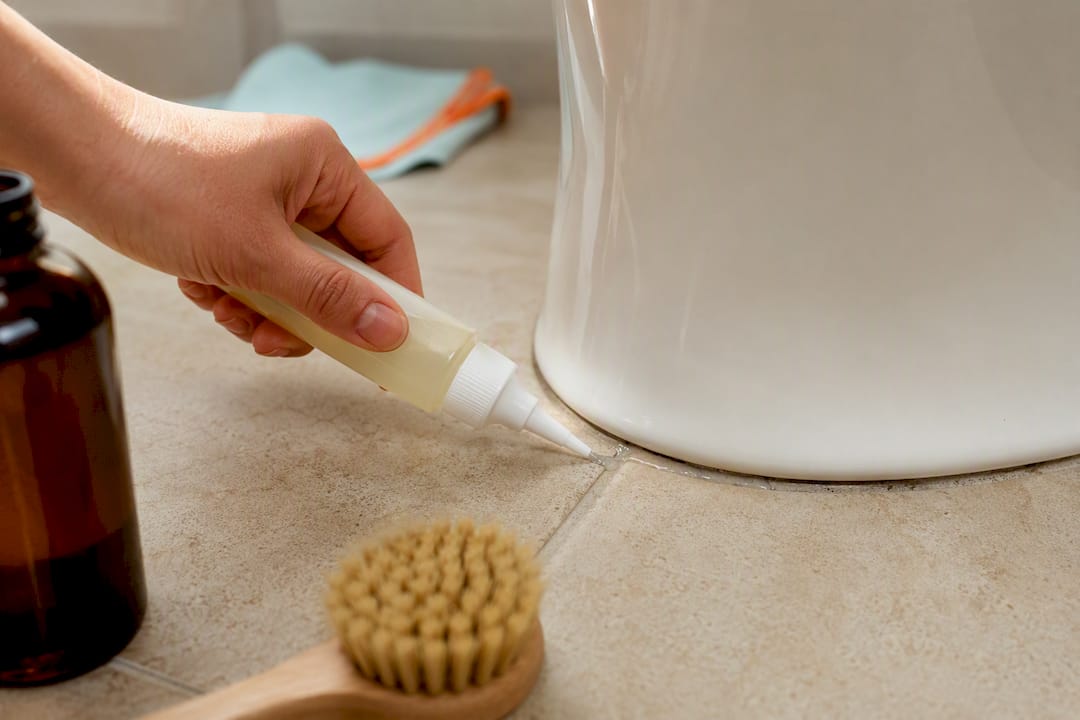
One caveat: enzymatic cleaners are living cultures, which means bleach or strong antibacterial products can deactivate them if used together. Keep them as a separate step in your routine rather than mixing them into your regular vinegar or baking-soda cleaning pass. For pet owners dealing with bathroom mats or grout near a litter box, an enzymatic cleaner usually outperforms every other natural method on this list, since it actually digests the uric acid crystals that cause that sharp, recurring smell rather than just masking it temporarily.
Natural Ways to Stop Mold and Mildew Before They Start
Mold needs three things to grow: moisture, warmth, and organic material to feed on. A bathroom offers all three by default, so prevention comes down to cutting off moisture as fast as possible after every use.
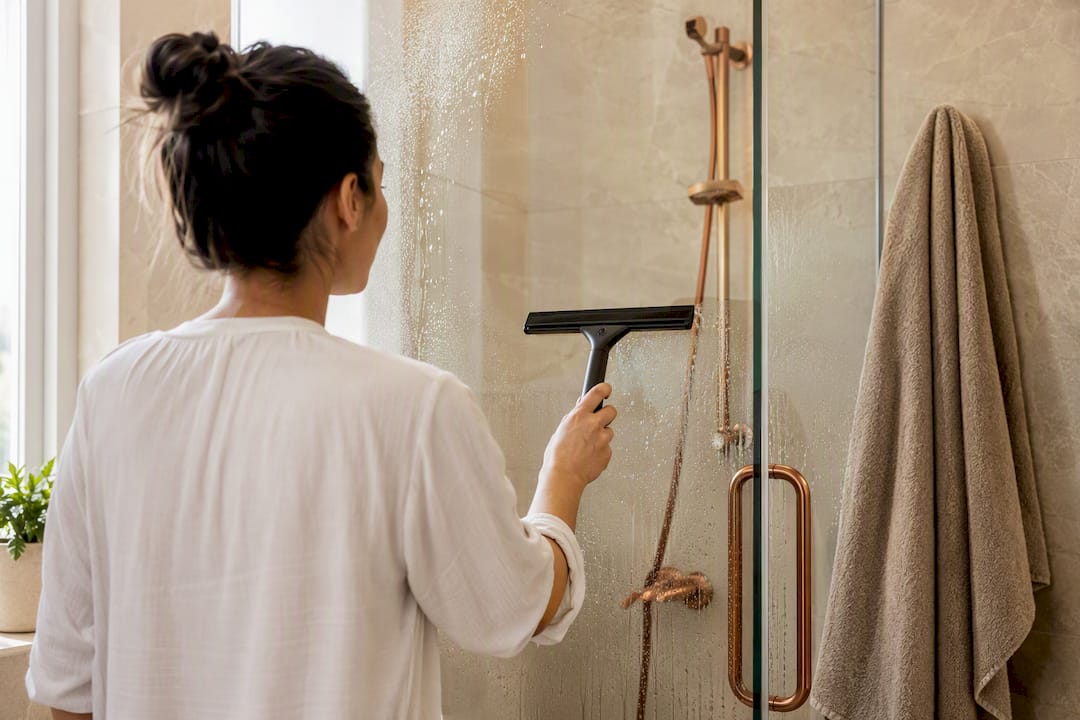
Squeegee the shower walls after each shower. It takes under a minute and removes most of the standing water mold needs to establish itself. Keep the shower curtain or door open slightly after use so airflow reaches every fold, and wash fabric shower curtains monthly since they trap moisture in their folds longer than glass or acrylic doors do.
A white vinegar spray, left to sit for a few minutes before rinsing, works as a mild antifungal treatment on tile and grout without the fumes of bleach. For grout lines that already show early mildew spots, a paste of baking soda and a small amount of water, scrubbed in with an old toothbrush, lifts staining without scratching the surface. Reapply weekly in humid climates or during rainy seasons when indoor humidity runs higher.
Improve Airflow Without a Bigger Exhaust Fan
Most bathrooms don’t need a stronger fan. They need better use of the airflow they already have. Leaving the bathroom door cracked for 20 to 30 minutes after a shower, instead of closing it immediately, lets humid air move into the hallway and equalize faster than a fan working alone in a sealed room. Door and fixture choices for bathrooms affect how well moisture actually clears a space, which is worth considering if you’re renovating rather than just retrofitting.
Window placement matters more than most people think. A window positioned across from the shower, rather than directly above it, creates a cross breeze that pulls humid air out instead of just circulating it in place. If your bathroom has no window, a small plant tolerant of low light and high humidity, like a pothos or a snake plant, won’t replace mechanical ventilation but can subtly improve air quality between fan cycles without adding upkeep.
Keep Towels and Bath Mats From Holding Onto Smells
Damp fabric is one of the most overlooked odor sources in any bathroom. Towels that never fully dry between uses build up a musty smell that no amount of drain cleaning or diffuser use will fix, because the source is the fabric itself.
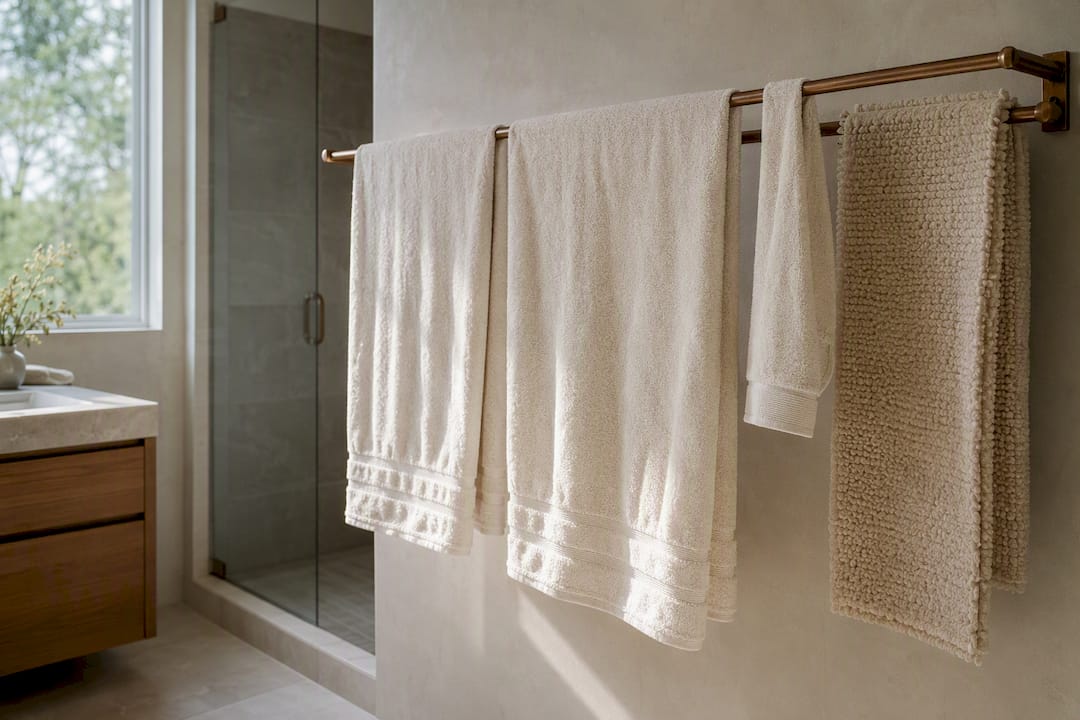
Hang towels spread out, not folded or bunched, so air reaches every part of the material. A hook with enough spacing beats a single bar where towels overlap. Wash towels and bath mats weekly on the hottest setting the fabric allows, and add a half cup of white vinegar to the rinse cycle instead of extra detergent. Vinegar cuts through the mildew smell that builds in fabric far more effectively than fragrance-boosted detergent, which tends to mask the smell temporarily rather than remove it.
For mats with rubber backing, air-dry them fully before returning them to the floor. Rubber traps moisture underneath, and a mat placed back down while still damp underneath will start smelling again within a day or two, regardless of how clean it looked on top.
A Simple Ritual Worth Repeating
My take, after going through all of this: the order matters more than the products. Absorb first, clean the source second, and let fragrance be the last, lightest touch. Test any new oil or spray in small amounts before committing to it daily, and treat this as a rhythm to build rather than a one-time fix.
— B
A Ready-Made Option for a Bathroom That Stays Fresh Without the Guesswork
Once ventilation, drains, and absorbers are handled, a consistent scent layer is the last piece, and this is where a formulated product beats another DIY spray batch. The Men Love Candles Too Collection includes reed diffusers built for exactly this kind of steady, low-maintenance scenting, no measuring oils, no guessing at dilution, just a consistent output day after day.
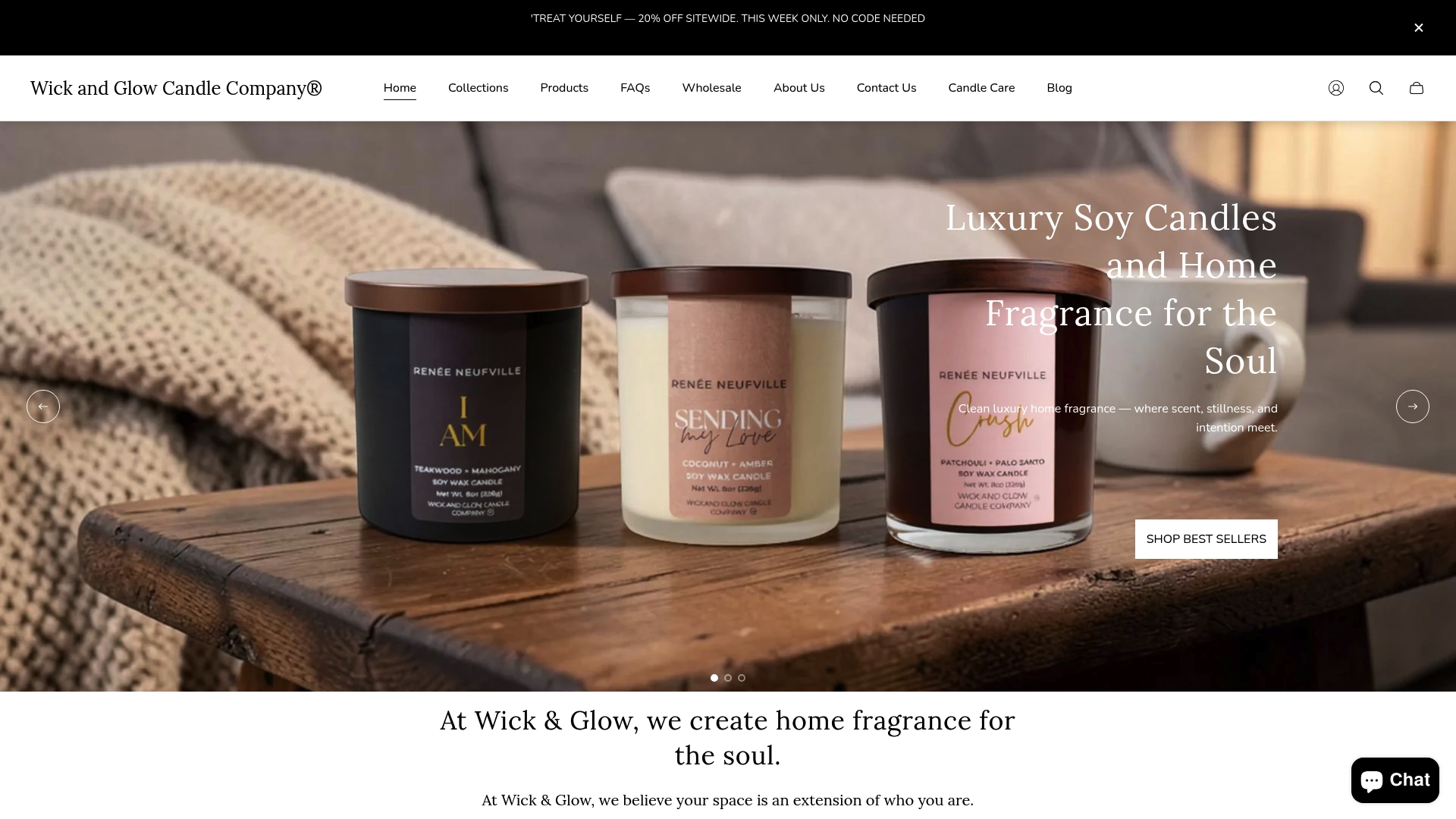
If you’d rather test a few scents before settling on one for a small bathroom, the Scenting My Love Trio gives you a compact set to try side by side. Every Wick & Glow formula stays vegan and phthalate-free, so there’s no synthetic fragrance guesswork to worry about near towels, mats, or daily use. Pick a diffuser, place it away from direct steam, and let it run for a week before deciding if the strength suits your space.
Sources


