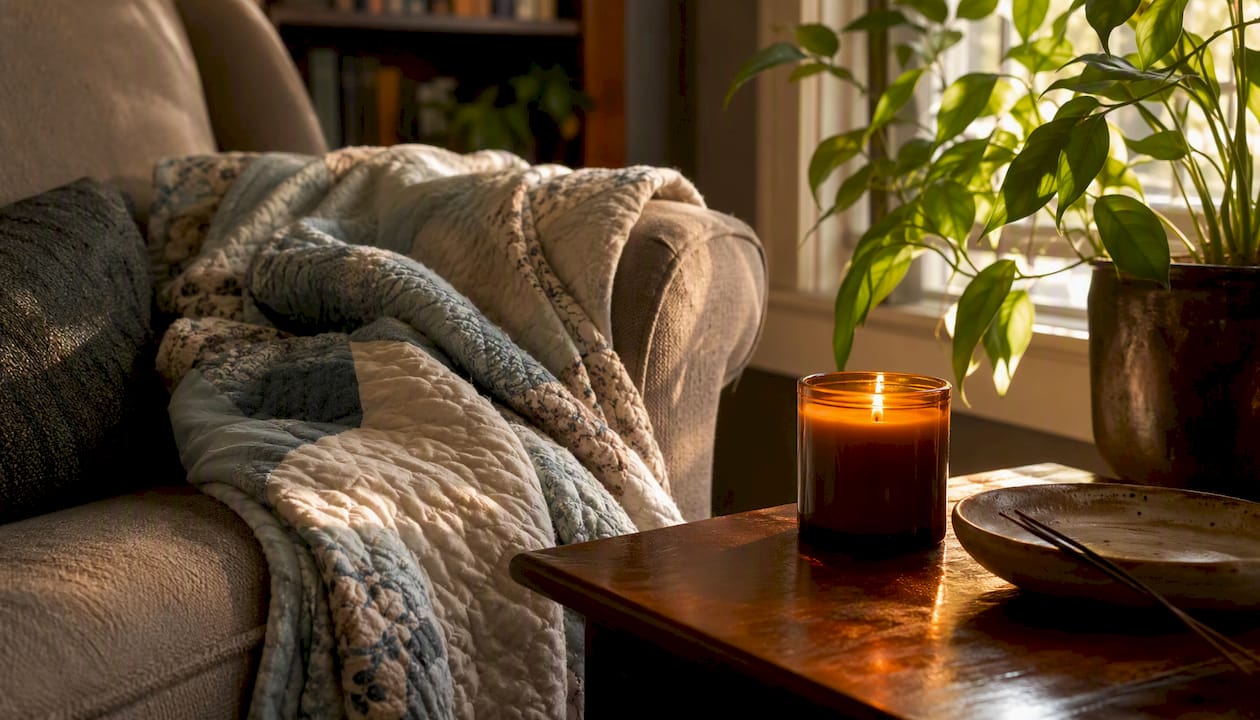
Texture shapes how fragrance is perceived and remembered. When you place a chunky wool throw near a burning amber candle, the visual and tactile weight of that fabric primes your brain to read the scent as warmer, richer, and more enveloping than it would smell in a bare room. That is the role of texture alongside home fragrance: it provides the physical context that amplifies, softens, or anchors a scent in both the space and your memory.
Three things you can do right now:
- Drape a plush throw or velvet pillow near a wood or amber candle to deepen warm, resinous notes.
- Switch to linen bedding and pair it with a light citrus or green reed diffuser for a cleaner, airier feel.
- Add a woven jute basket or natural fiber rug to any room where you burn earthy or smoky fragrances — the organic material grounds the scent and keeps it from feeling sharp.
Table of Contents
How does texture change the way you perceive home fragrance?
Designers have a phrase for it: texture is the seasoning of a room. A neutral palette without tactile variety reads as flat, and so does fragrance floating through a space with no physical anchor. According to Homes and Gardens, layering varied materials — wood, velvet, woven fiber, plaster — adds depth and personality that color alone cannot deliver. Scent behaves the same way: it needs a physical environment that matches its character, or it drifts past the senses without registering.
The mechanism is partly psychological and partly perceptual. Velvet signals warmth and luxury before you even touch it, so a floral-woody fragrance in a velvet-heavy room reads as more opulent. Linen signals lightness and cleanliness, which makes the same fragrance smell crisper. Stone or tile reads as cool and mineral, which is why citrus and aquatic scents feel so right in bathrooms. Your brain is constantly cross-referencing what your eyes and fingertips expect with what your nose detects, and when those signals agree, the whole experience lands harder.
Practical moves designers rely on:
- Layer at least three material types in any room (one rough, one smooth, one soft) to create the tactile contrast that makes scent feel intentional rather than accidental.
- Use handcrafted or hand-applied surfaces — thrown ceramics, limewash walls, hand-woven textiles — because their slight irregularity holds visual attention and slows the eye, giving fragrance more time to register.
- Treat architectural textures (exposed brick, wood paneling, concrete) as your base layer, then build softer textiles on top, just as you would build a fragrance from base notes upward.
The Spruce’s textured home décor guide makes the point that textile layering and handcrafted surfaces are the go-to moves for designers working with restrained color palettes — and the same logic applies when you are trying to make a fragrance feel like it belongs to a room rather than just sitting in it.
What does research say about how touch and smell interact?
The science behind this is called cross-modal congruence, and it is more concrete than it sounds. Research published in the International Journal of Cosmetic Science found that congruent fragrance-texture pairings — where the scent and the tactile character of a product matched — scored measurably higher on pleasure and “want to use” ratings in both lab and home-use tests. Congruence effects varied by texture type, which means the pairing rules are real but not universal: you have to think about each specific combination.
A separate series of experiments published in Frontiers in Psychology found something even more striking: added odor can actually change how a texture feels. Creams with a matching fragrance were rated as more luxurious and less oily than identical unscented versions. Scent altered perceived texture, not just perceived pleasantness.
The practical implications for home fragrance are direct. When your scent and your textural environment agree, the room feels more cohesive and more comfortable. When they disagree without intention, the result is a kind of low-grade sensory friction that most people cannot name but definitely feel.
Pro Tip: Deliberate incongruence has its uses. Pairing an unexpected scent with a familiar texture — say, a smoky oud in a bright, linen-heavy room — creates the kind of surprise that slows habituation. Use it selectively in spaces where you want to stay alert and engaged, like a home office, rather than in spaces designed for rest.
One more finding worth noting: habituation is real. When you live with the same scent in the same textural environment every day, your brain stops registering it. Rotating fragrances, or changing a key textural element (swapping a wool throw for a cotton one, for instance), resets the perceptual baseline. Wickandglow’s guidance on how fragrance affects home atmosphere addresses this directly, recommending zonal rotation and scheduled refresh cycles to keep the sensory experience alive.
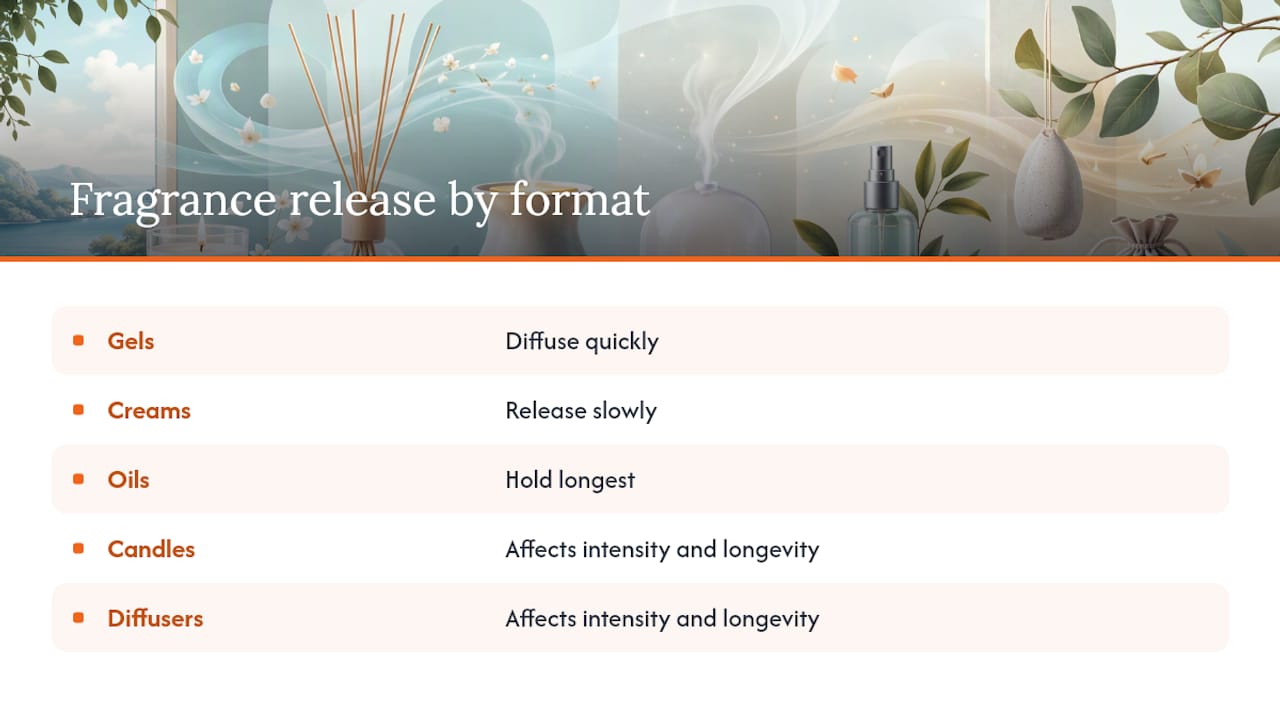
Research from Abhinav Perfumers also confirms that the physical texture of a fragrance delivery format changes how the scent releases: gels diffuse quickly, creams release slowly, and oils hold longest. That means your choice of candle versus spray versus diffuser is itself a textural decision with real consequences for intensity and longevity.
Which textures pair best with which fragrance families?
The clearest rule is weight and temperature alignment. Heavy, warm textures — thick wool, velvet, leather, dark wood — belong with warm, resinous, or smoky fragrance families: amber, oud, sandalwood, spiced vanilla. Light, airy textures — linen, cotton gauze, rattan, pale stone — belong with citrus, aquatic, green, or light floral notes. When the thermal register of the texture and the scent match, the pairing feels inevitable rather than arranged.
Scale matters too. Large-scale textures like a chunky area rug or a limewash wall set the room’s overall sensory temperature and should align with your foundation scent. Small-scale textural details — a tassel trim, a woven cushion edge, a ceramic vessel with a matte glaze — work like top notes: they add nuance and personality without changing the room’s core character.
Pairings to avoid:
- Delicate florals against heavy industrial metal (raw steel shelving, exposed iron pipes) without a soft intermediary like a linen curtain or a wool rug. The hard surfaces make the floral read as thin and out of place.
- Aquatic or mineral scents in rooms dominated by dark, heavy upholstery. The visual weight of the room fights the lightness of the scent and neither wins.
- Powdery or gourmand fragrances in spaces with very rough, unfinished surfaces (raw concrete, coarse brick). The softness of the scent needs at least one soft textile nearby to feel at home.
Pro Tip: When you are unsure about a pairing, add one transitional texture. A natural fiber basket, a linen throw, or a ceramic dish can bridge a mismatch between a fragrance and a room’s dominant material and make the whole thing cohere.
The Abhinav Perfumers piece on fragrance-texture interactions notes that manufacturers design fragrance systems specifically for the texture they will live in, balancing volatility and retention. The same logic applies at home: match your delivery format to the room’s textural character, not just its size.
Room-by-room pairing recipes for texture and scent
Entry and hallway
The entry sets the expectation for the whole home. Ground it with a jute runner, a wooden console, or a woven basket for umbrellas. These organic, slightly rough textures call for warm, welcoming scents: spiced wood, smoky cedar, or a light incense. A hand-poured soy candle on the console works well here because the visual warmth of the flame reinforces the textural warmth of the wood.
Living room
- Layer a velvet pillow over a wool throw on your sofa.
- Add a low ceramic vessel or woven tray on the coffee table.
- Place a candle or reed diffuser at nose height — on a side table or shelf — rather than on the floor.
- Choose a floral-woody or amber fragrance to match the layered, warm textile environment.
- For larger living rooms, use two fragrance sources at opposite ends rather than one strong central source.
The living room rewards the most textural complexity because it is where people spend the most time and where habituation is most likely. Rotating between a candle and a diffuser, or swapping a wool throw for a linen one seasonally, keeps the sensory experience fresh.
Bedroom
Soft linens, quilted coverlets, and a plush rug underfoot create the tactile environment that supports rest. Pair these with powdery florals, soft musks, or light gourmand notes — nothing sharp or energizing. A bedside reed diffuser works better than a candle here for safety and for the slow, even release that suits sleep. A linen spray misted on pillowcases just before bed is one of the most effective uses of fragrance in the home because the fabric holds the scent close to your face all night.
For guidance on scent and memory formation, the olfactory system’s direct connection to the hippocampus means that a consistent bedroom scent paired with a consistent texture becomes a powerful sleep cue over time.
Bathroom
Tile and stone are cool, smooth, and mineral by nature. Citrus, eucalyptus, and aquatic fragrances feel native here. A room spray is the right format: quick release, no open flame near water, and easy to refresh. Add one soft element — a cotton bath mat, a linen hand towel — to keep the space from feeling clinical.
Kitchen
Herbal and citrus scents work in kitchens because they complement rather than compete with cooking smells. A reed diffuser on a shelf away from heat is more reliable than a candle near a stove. Natural textures — a wooden cutting board, a ceramic crock, a woven placemat — reinforce the organic, fresh character of herbal fragrances.
Linens and upholstery
- Natural fibers (linen, cotton, wool) absorb and hold fragrance better than synthetics.
- Spray lightly and from at least 12 inches away to avoid saturation spots.
- Sachets tucked into linen closets or under cushions provide slow, continuous release without the risk of staining.
- Carpet powders — sprinkled, left for a few minutes, then vacuumed — work well on wool and natural-fiber rugs and add a subtle base-level scent to the room.
How to layer fragrance without overdoing it
The foundation, body, and finish framework
Layering home fragrance follows the same logic as fragrance in interior design: foundation, body, and finish. The foundation is your structural anchor — a long-burning candle or a reed diffuser that provides a consistent low-level scent throughout the day. The body is the room’s main atmospheric scent, usually the same fragrance at a slightly higher intensity during active hours. The finish is an accent — a room spray used selectively when you want to refresh or shift the mood.
Layering steps
- Start with one foundation scent per zone, not one per room. Open-plan spaces need a single anchor, not competing sources.
- Set your diffuser or candle burn time to match the room’s use pattern. A bedroom diffuser running all night is too much; two to three hours before sleep is enough.
- Spray accents sparingly — one or two pumps from a distance, never directly onto upholstery at close range.
- Adjust intensity to room size: small rooms need less, not more. A single candle is usually sufficient for a bathroom or hallway.
- Rotate your foundation scent every four to six weeks to prevent habituation.
What does it mean to layer scent in a home?
Layering scent in a home means building fragrance the way a designer builds a room: from the structural base up to the finishing details. The foundation scent is always-on and low-intensity — a reed diffuser running quietly in the background, or a candle burned for a set period each day. It establishes the room’s olfactory identity without demanding attention.
The body layer is the room’s main atmospheric scent during active hours. This is usually the same fragrance at a slightly higher intensity, or a complementary scent in the same olfactory family. It is what guests notice when they walk in.
The finish layer is selective and intentional. A room spray used before guests arrive, a linen spray on fresh bedding, a carpet powder before vacuuming — these are accent notes that add freshness or shift the mood without replacing the foundation. Together, the three layers create a scent environment that feels lived-in and considered rather than sprayed and forgotten.
The key distinction between layering and simply using fragrance is intentionality. Layering means each source has a role, a placement, and a timing. It means the textural elements in the room are chosen to support the scent, and the scent is chosen to support the room’s purpose. That is what intentional home fragrance actually means in practice.
Key Takeaways
Texture and fragrance work as a system: congruent pairings consistently produce stronger pleasure and comfort responses than scent or texture used independently, and the physical character of a room shapes how every fragrance note is perceived.
| Point |
Details |
| Texture amplifies scent |
Matching the thermal weight of textures to fragrance families makes both feel more intentional and cohesive. |
| Congruence drives pleasure |
Research shows congruent odor-texture pairings score higher on pleasure and “want to use” measures than mismatched ones. |
| Format is a textural choice |
Candles, diffusers, sprays, and powders each release fragrance differently — choose the format that fits the room’s textural character. |
| Rotate to prevent habituation |
Swapping a foundation scent or a key textile every four to six weeks resets the perceptual baseline and keeps the experience alive. |
| Wickandglow as a starting point |
Wickandglow’s hand-poured soy candles, reed diffusers, and room sprays are designed to anchor the foundation, body, and finish layers of a sensory room. |
Why texture and fragrance belong together
Most people treat home fragrance as an afterthought — a candle lit because the room smells stale, a spray used before guests arrive. The research and the design evidence both point to something more interesting: scent and texture are genuinely co-dependent. One without the other underperforms. A beautiful fragrance in a texturally flat room drifts past the senses. A richly textured room with no considered scent feels like a sentence missing its final word.
What I find most underestimated is the memory dimension. The olfactory system’s connection to the hippocampus means that a scent experienced consistently in a specific textural environment becomes encoded as a memory of that place. You are not just making your home smell good — you are building a sensory signature that will trigger recognition and comfort for years. That is worth doing deliberately.
The research on deliberate incongruence is also worth sitting with. The instinct is always toward matching: warm scent, warm texture. But a carefully chosen mismatch — a cool aquatic fragrance in a velvet-heavy room, say — can be the thing that makes a space feel genuinely original rather than assembled from a mood board. Use it once, in the room where you want to feel most like yourself.
Wickandglow makes sensory layering practical
Wickandglow’s hand-poured soy candles are the clearest starting point for anyone building a texture-and-scent system at home. Each one is made with clean, phthalate-free ingredients and paired with a curated R&B playlist, which means you get the foundation scent and the sound layer in a single purchase. The glass vessel itself is a textural object — smooth, weighted, warm when lit — that belongs on a wooden tray or a stone surface, not hidden away.
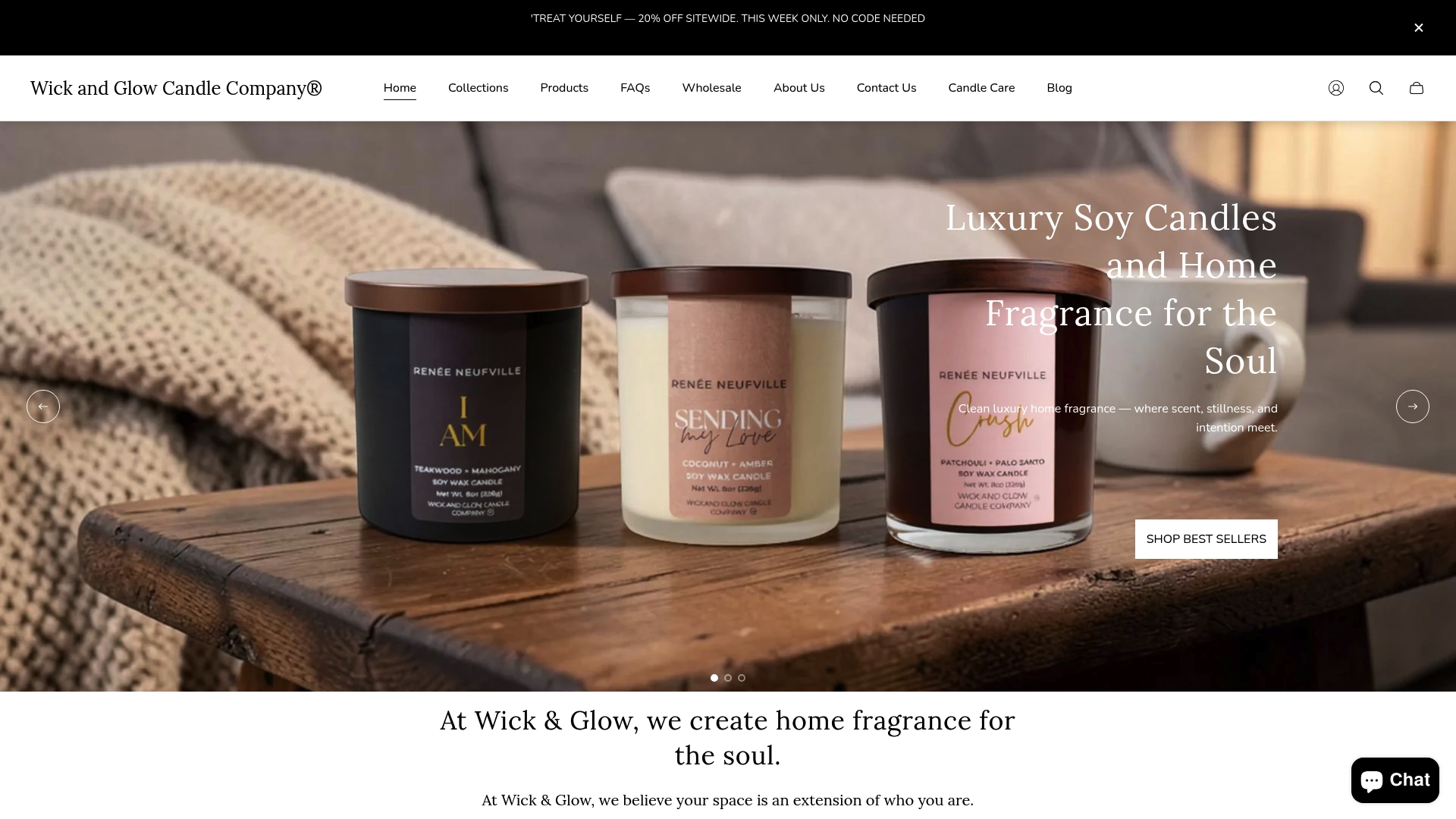
For readers who want to test multiple pairings quickly, the Scenting My Love Trio is the most direct route. Three distinct fragrances, each suited to a different room and a different textural environment, so you can run the weekend ritual from Section 7 without committing to a single scent before you know how it reads in your space. For a gift or a masculine-leaning fragrance profile, the Men Love Candles Too collection pairs well with leather, dark wood, and wool textures. If you want guidance on selecting formats before you buy, this fragrance shopping guide covers how to match delivery formats to your actual use case. Browse the full Wickandglow collection and start with one room, one texture, one scent.
Key references and further reading
The claims in this guide draw on the following sources:
- Impacts of sensory multimodality congruence and familiarity with short use on cosmetic product evaluation — supports the cross-modal congruence findings and the pleasure/comfort scoring data.
- Crossmodal perception of odor and texture (Frontiers in Psychology) — supports the finding that added odor changes perceived texture and well-being ratings.
- 6 Ways to Use Texture in Interior Design, Homes and Gardens — supports the “texture as seasoning” framing and designer layering techniques.
- Textured home décor guide, The Spruce — supports room-level texture examples and the case for handcrafted surfaces.
- How Product Texture Changes the Way Consumers Experience Fragrance, Abhinav Perfumers — supports the format-selection guidance and fragrance release dynamics.
- Understanding Fragrance-Texture Interactions in Personal Care and Beauty Products, Abhinav Perfumers — supports the layering and format-matching guidance.
- Role of fragrance in interior design, Wick & Glow blog — supports the foundation/body/finish framing and publisher expertise claims.
- How fragrance affects home atmosphere and mood, Wick & Glow blog — supports the ritual, zoning, and habituation-rotation guidance.
Recommended


