Common candle buying mistakes are purchasing errors that reduce burn quality, scent performance, and safety, often because shoppers focus on looks or price alone. Wax type, wick compatibility, and fragrance concentration all determine whether a candle delivers or disappoints. Skipping these checks leads to tunneling, weak scent throw, and candles that burn out far too fast. The good news is that each mistake is easy to avoid once you know what to look for. This guide covers the most frequent errors and gives you clear, practical guidance for every purchase.
1. Common candle buying mistakes start with ignoring wax type
Wax type is the single biggest factor in how a candle burns and smells. Choosing a candle based only on appearance or price, while ignoring wax composition, leads directly to poor burn quality and weak scent throw. That is the most common starting point for a disappointing candle experience.
The three main wax types each behave differently:
-
Soy wax burns cooler and slower, which means longer burn times and better fragrance retention over multiple sessions.
-
Paraffin wax is the most widely used and least expensive option, but it produces more soot and burns faster than soy.
-
Beeswax burns the cleanest of all three and has a natural honey scent, but it costs significantly more.
Soy blends outperform paraffin for cleaner burns and stronger scent throw, especially in larger spaces. That performance gap is real and noticeable after just a few hours of burning. If you want a candle that fills a room and lasts, wax type is where the decision starts.
Pro Tip: Look for candles that clearly label their wax blend on the packaging. If the label only says “premium wax” without specifying the type, treat that as a red flag.
2. Picking the wrong wick size for the candle
Wick size controls how much wax the flame melts per hour. An incompatible wick causes tunneling, uneven burning, and excess smoke, which are three of the most common complaints buyers have after purchase. The wick must match both the wax type and the diameter of the candle container.
Common wick-related problems to watch for:
-
Tunneling happens when the wick is too small and only melts wax directly around it, leaving a ring of solid wax on the sides. You can read more about why candles tunnel and how to prevent it before you buy.
-
Excessive smoke signals a wick that is too large, burning more wax than the fragrance load can handle cleanly.
-
Mushrooming at the wick tip after burning indicates carbon buildup from an oversized or low-quality wick.
-
Flickering without a draft points to a wick that is off-center or poorly anchored in the wax.
Product descriptions from quality brands will specify wick material, such as cotton or wood, and whether it is sized for the container diameter. Avoid candles that give no wick information at all.
Pro Tip: A well-made candle should produce a full melt pool reaching the edges of the container within two to three hours of the first burn. If a product description does not mention this, ask the seller directly.
3. Misjudging fragrance strength for your space
Fragrance concentration is one of the most misunderstood factors in candle shopping. Buying a fragrance that is too strong for a small room creates an overpowering aroma that causes headaches rather than comfort. Matching scent intensity to room size is a basic candle purchasing tip that most buyers skip entirely.
Two terms matter here. Cold throw is the scent you smell when the candle is unlit. Hot throw is the scent released while it burns. Cold throw and hot throw differ significantly, and a candle that smells strong in the store may perform very differently once lit at home. This gap catches a lot of buyers off guard.
A few practical checks before buying:
- Match fragrance load to room size. Light or medium concentration works for bathrooms and bedrooms. Stronger loads suit open living areas.
- Read reviews that mention hot throw specifically, not just how the candle smells in the box.
- Consider scent families. Florals and musks tend to linger longer than citrus notes, which fade faster during a burn.
If you are buying a candle as a gift, err toward medium intensity. A scent that is too strong is harder to enjoy than one that is slightly subtle.
4. Overlooking burn time and candle size
Ignoring the specified burn time leads to frequent replacements or a burn experience that ends far too soon. Burn time is listed in hours on most quality candles, and that number should guide your size selection based on how often you plan to use it.
A candle you burn for two hours every evening will last roughly 25 evenings if the stated burn time is 50 hours. That math matters when you are comparing price per hour of use across different sizes. A larger candle with a longer burn time often costs less per hour than a small decorative option.
| Candle size |
Typical burn time |
Best use case |
| 4 oz |
20–30 hours |
Bathrooms, small offices |
| 8 oz |
40–55 hours |
Bedrooms, reading nooks |
| 12 oz+ |
60–80 hours |
Living rooms, open spaces |
Safety also connects directly to size. A candle that is too large for a small surface becomes a tipping risk. Centered wicks and heat-resistant containers reduce both uneven burns and the chance of accidents. Always check that the container is stable and sits flat before lighting.
5. Buying from non-transparent suppliers
Choosing suppliers without clear product information increases the risk of inconsistent quality and hidden ingredients. This is one of the most overlooked candle buying errors, especially when shopping online where product photos do most of the selling.
A trustworthy candle brand will list wax type, fragrance load percentage, wick material, and burn time on the product page. If any of those details are missing, the brand is asking you to buy on faith. That is a reasonable red flag for any purchase over $20.
Look for these signals of supplier credibility:
- Clear ingredient disclosure, including fragrance notes and any synthetic additives
- Consistent reviews mentioning burn performance, not just scent
- A stated return or satisfaction policy
- Transparency about where the candle is made and by whom
Wickandglow, for example, publishes detailed product information and builds each candle around a specific fragrance and artistic intention, so buyers know exactly what they are getting before checkout.
6. Skipping ingredient labels and missing toxic additives
Reading ingredient labels helps you avoid candles with harmful toxic additives that affect indoor air quality. This step takes less than 60 seconds and can protect your household from unnecessary chemical exposure. Most buyers skip it entirely because candles feel like a low-risk purchase.
Common ingredients to avoid include lead-core wicks, synthetic dyes with no safety disclosure, and phthalates in fragrance oils. Phthalates are chemical compounds used to extend fragrance, and they have been linked to respiratory irritation with repeated exposure. A candle ingredient guide can help you decode what is actually in the product before you burn it in your home.
Clean-burning candles will typically state that they are phthalate-free, paraben-free, and made with cotton or wood wicks. If a candle makes no ingredient claims at all, that silence tells you something.
7. Ignoring candle placement and its effect on burn quality
Placement is a buying consideration, not just a usage one. Candles placed on flat, heat-resistant surfaces in draft-free areas burn more evenly and produce less soot. If you are buying a candle for a specific spot in your home, the environment of that spot affects how well the candle performs.
A candle near an air vent, open window, or ceiling fan will flicker constantly. That flickering causes uneven wax consumption and increases soot on the jar walls. The candle is not defective. The placement is wrong. Knowing this before you buy helps you choose the right candle for the right location.
Soy blends perform better in large, open spaces because their hot throw carries farther without requiring an extreme fragrance load. For smaller rooms with limited airflow, a lighter fragrance concentration in a soy or beeswax base gives you control without overwhelming the space.
8. Relying on scent alone when reading reviews
Reviews focused on burn performance provide better purchase guidance than reviews that only describe how a candle smells. Scent is subjective. Burn quality is measurable. A review that says “burned evenly for 50 hours with no tunneling” tells you far more than “smells amazing.”
When scanning reviews before a purchase, filter for mentions of:
- Melt pool consistency after the first burn
- Wick behavior over multiple sessions
- Soot or residue on the jar
- Whether the scent held up through the full burn time
A candle with 200 reviews praising the scent but 40 complaints about tunneling has a wick problem. That pattern is easy to spot if you know what to look for. Prioritizing burn-quality feedback is one of the most underused candle purchasing tips available to any buyer.
Key Takeaways
The most effective way to avoid common candle buying mistakes is to evaluate wax type, wick compatibility, fragrance concentration, and ingredient transparency before you purchase.
| Point |
Details |
| Wax type determines performance |
Soy wax burns cleaner and retains fragrance longer than paraffin, making it the better choice for most buyers. |
| Wick size must match container |
A mismatched wick causes tunneling, excess smoke, and uneven burns that shorten candle life. |
| Match scent strength to room size |
Overly strong fragrance in a small space causes discomfort; medium concentration suits most rooms. |
| Read ingredient labels |
Avoid candles with phthalates, synthetic dyes, or unlisted additives that affect indoor air quality. |
| Prioritize burn-quality reviews |
Reviews mentioning melt pool consistency and wick behavior are more reliable than scent-only feedback. |
What I have learned from watching buyers get this wrong
Most candle buyers I have observed make the same mistake: they buy with their nose and ignore everything else. The scent in the store is the cold throw, and as Wickandglow’s own content explains, cold throw and hot throw can feel like two completely different candles. You are not buying the scent in the box. You are buying the scent that releases over 50 hours of burning.
The second pattern I see constantly is price-driven wax selection. A $10 paraffin candle and a $28 soy candle look similar on a shelf. But the paraffin burns faster, throws more soot, and often fades in scent after the first few sessions. When you calculate cost per hour of burn time, the soy candle frequently wins. That math reframes the purchase entirely.
The third thing I would push back on is the idea that candle buying is low-stakes. You are burning something in your home, breathing the byproducts, and relying on the container to stay stable for hours at a time. Ingredient transparency and container quality are not premium concerns. They are baseline ones. A brand that will not tell you what is in its fragrance oil is not a brand worth trusting with your indoor air.
My honest advice: treat your first purchase from any new brand as a test. Buy one candle, burn it properly, and evaluate the melt pool, scent consistency, and wick behavior before committing to more. The best candle brands hold up to that scrutiny without any issue.
— B
Why Wickandglow makes it easier to buy right
Avoiding the pitfalls in this guide gets much easier when the brand does the work for you upfront.
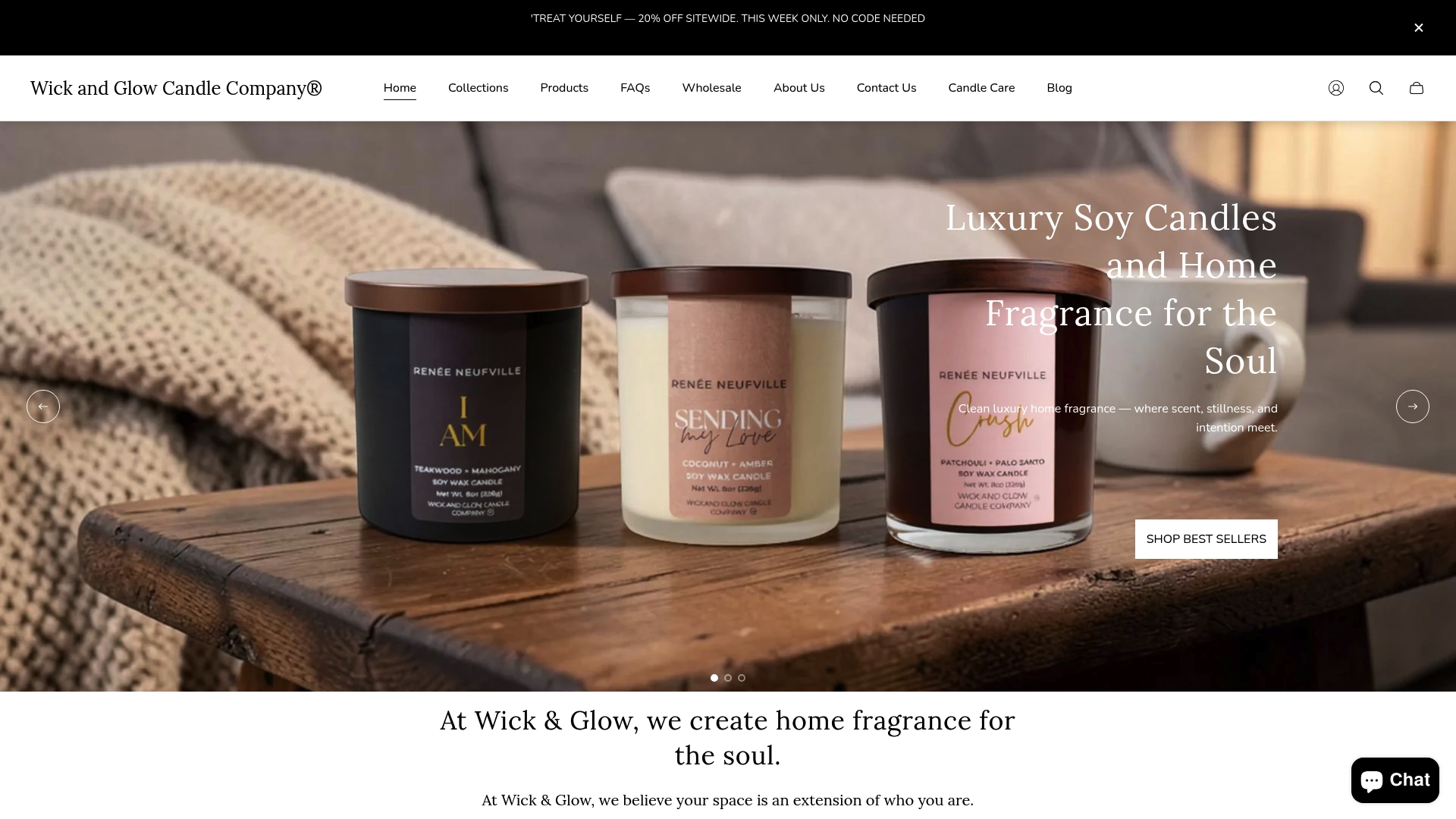
Wickandglow builds each candle around a specific fragrance intention, with full ingredient transparency and wicks sized for the container from the start. The Exhale Luxury Candle is a strong starting point if you want to experience what a properly balanced soy candle feels like in your space. For those who want to explore a curated set, the Scenting My Love Trio offers three distinct fragrance profiles so you can find your match without committing to a single scent. Every product page lists wax type, burn time, and fragrance notes so you can buy with confidence.
FAQ
What wax type burns the cleanest?
Soy wax burns cleaner than paraffin and produces less soot, making it the preferred choice for indoor air quality. Beeswax also burns cleanly but costs more.
What causes candle tunneling?
Tunneling happens when the wick is too small for the container diameter, so the flame only melts wax directly around it. A properly sized wick creates a full melt pool that reaches the jar edges within two to three hours.
How do I know if a candle fragrance is too strong for my room?
If a candle causes headaches or feels overwhelming within 30 minutes of lighting, the fragrance load is too high for the space. Medium-concentration candles work best in rooms under 200 square feet.
Are phthalates in candles dangerous?
Phthalates are chemical compounds used in some fragrance oils, and repeated exposure has been linked to respiratory irritation. Look for candles labeled phthalate-free to reduce that risk.
Why does my candle smell stronger before I light it?
Cold throw, the scent from an unlit candle, is often more intense than hot throw because fragrance molecules disperse differently at room temperature versus combustion. A candle that smells strong in the store may perform more subtly once burning.
Recommended


