Luxury candle gift wrapping is the art of combining secure, protective packaging with refined presentation techniques to create a gift that feels as special as what’s inside. The wrapping itself signals care, taste, and intention before the recipient even lifts the lid. This guide covers the exact materials, step-by-step methods, and creative ideas you need to wrap a luxury candle beautifully. Whether you’re gifting a Wickandglow soy candle for a birthday, a housewarming, or a holiday, the presentation matters as much as the scent.
The right materials separate a polished luxury presentation from a rushed one. Medium-weight, textured wrapping paper holds creases cleanly and resists tearing under a candle’s weight. Thin or glossy papers puncture easily and produce uneven folds, which undercuts the entire effect.
Here is what to gather before you start:
-
Wrapping paper: Medium-weight with a matte or lightly textured finish. Look for paper with a grid printed on the back for clean, straight cuts.
-
Supportive box or tray: A snug-fitting box prevents the candle from shifting. Secure trays and inserts protect the candle’s shape and keep the outer wrap looking crisp.
-
Unbleached tissue paper: Use this as an inner layer directly against the candle. It absorbs any wax or oil residue that could stain the outer wrap.
-
Double-sided tape and glue dots: These create invisible seams. Visible tape strips read as casual, not luxurious.
-
Ribbon: Choose satin, velvet, or grosgrain. Width matters. A ribbon that is too thin looks cheap; one that is too wide overpowers the package.
-
Scissors and a bone folder: A bone folder creates sharp, flat creases that paper alone cannot achieve.
-
Optional fabric wrap: A furoshiki cloth, cut to roughly three times the width of the candle, works as a reusable, zero-tape alternative.
Pro Tip: Buy wrapping paper in a full roll rather than a folded sheet. Folded sheets arrive with permanent creases that show through even the neatest wrap job.
| Material |
Best choice |
What to avoid |
| Wrapping paper |
Medium-weight, matte or textured |
Thin foil or glossy paper |
| Inner layer |
Unbleached tissue paper |
Colored tissue that bleeds dye |
| Adhesive |
Double-sided tape, glue dots |
Clear single-sided tape |
| Ribbon |
Satin, velvet, grosgrain |
Curling ribbon or thin plastic |
| Fabric wrap |
Cotton or silk furoshiki |
Synthetic fleece or stiff canvas |
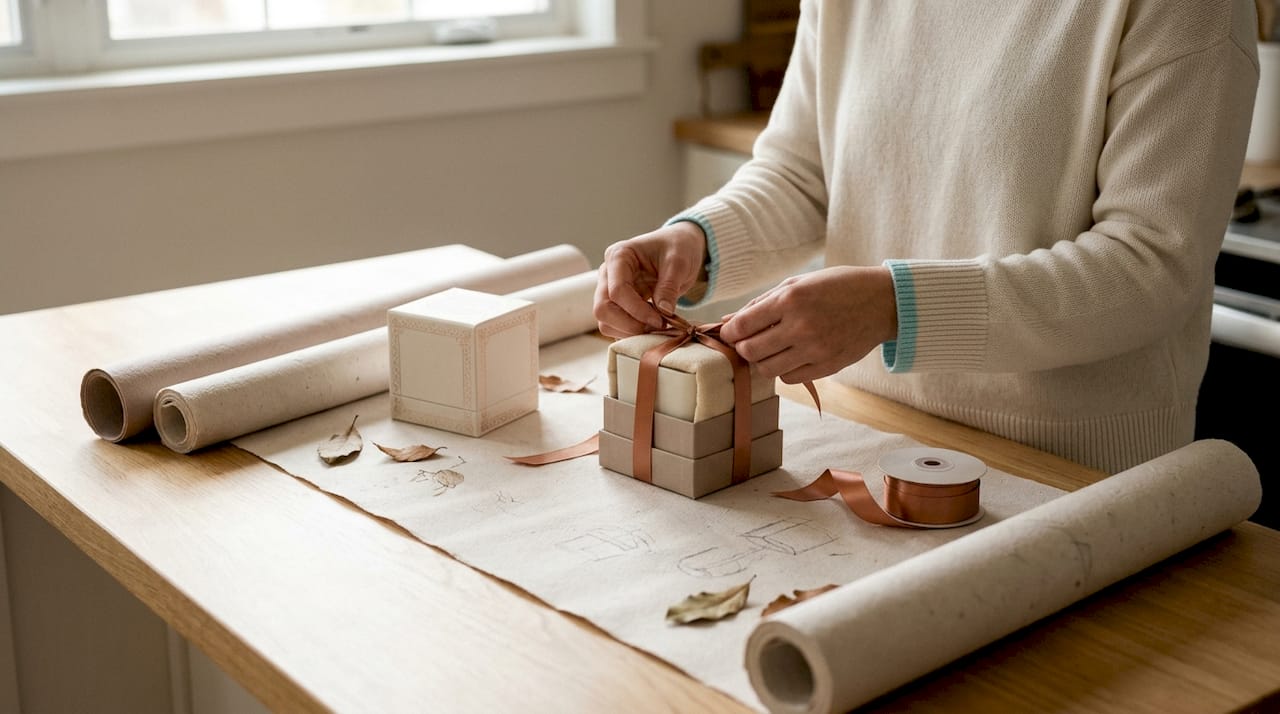
How to wrap a luxury candle step by step for a polished presentation
Wrapping a luxury candle well takes about fifteen minutes when you have everything ready. Rushing the process is the most common reason corners look uneven and seams show. Follow these steps for a clean, professional result.
-
Clean the candle. Wipe the jar or tin with a dry cloth to remove any wax residue or fingerprints. Check that the lid is secure and seated flat.
-
Place the candle in a snug box or tray. The candle should not slide or tip. If there is extra space, fill it with crumpled unbleached tissue to stabilize the candle without adding bulk.
-
Wrap the inner layer. Lay a sheet of unbleached tissue loosely around the candle before it goes into the box. This protects the outer wrap from any oil or wax transfer.
-
Cut your wrapping paper. For a jar candle, cut paper to twice the candle height plus a small overlap, with enough width to cover the full diameter with a clean seam. Use the grid on the back of the paper to cut straight lines.
-
Center the box on the paper. Roll the box to check coverage before taping anything.
-
Fold and tape with double-sided tape. Pull the paper taut, fold the edges under for a clean hem, and press each seam flat. Invisible seams and neat folds are the clearest signals of a luxury wrap.
-
Create crisp corners. Fold the side panels in at a 45-degree angle, press firmly with a bone folder, and tape flat. Sloppy corners undo everything else.
-
Tie the ribbon. Measure ribbon at about five times the length of the box, then double-knot before shaping loops for a full, balanced bow. A single knot collapses under its own weight.
-
Add a tag or dry accent. A small sprig of dried eucalyptus or a kraft paper tag keeps the look refined. Avoid fresh botanicals or anything with a competing scent near the candle.
Pro Tip: Wrap on a hard, flat surface like a kitchen counter rather than a carpet. Soft surfaces prevent you from pressing seams flat, and the result always looks slightly puffed.
Wickandglow candles like the Exhale Luxury Candle come in clean, weighted vessels that sit perfectly in a standard gift box. The vessel’s weight is actually an asset here. A heavier candle stays centered and does not shift during wrapping.
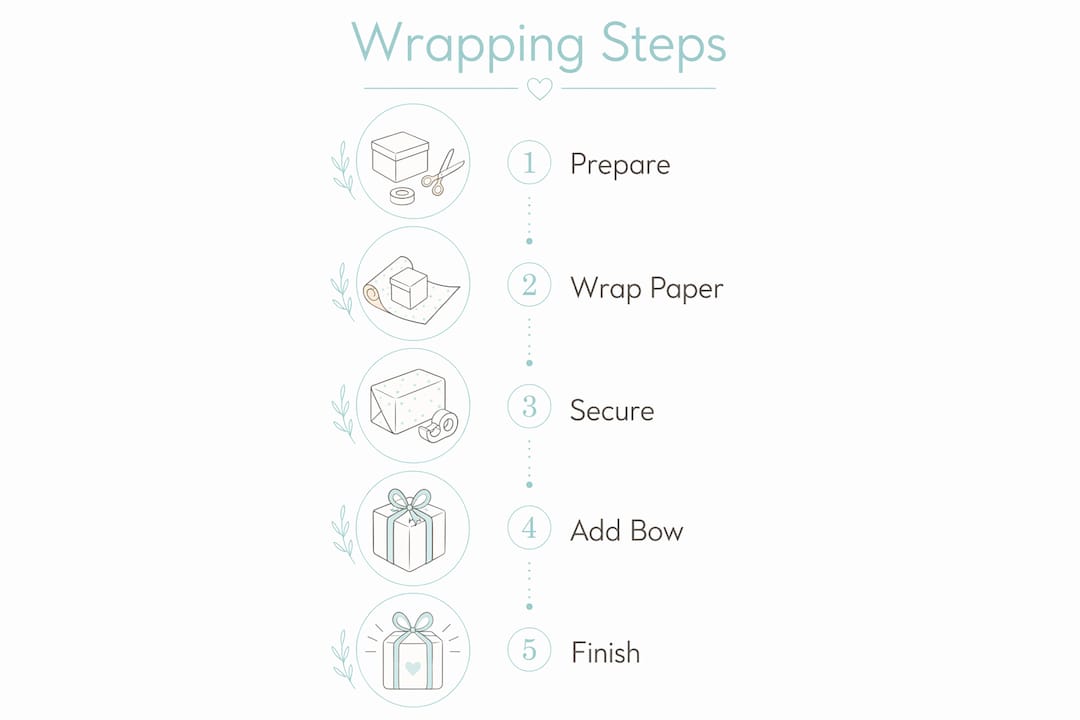
What are creative wrapping ideas to elevate your luxury candle gift?
Standard paper wrapping is the baseline. These techniques push the presentation into genuinely memorable territory.
Furoshiki fabric wrapping
Furoshiki is a Japanese cloth-wrapping method that uses no tape and leaves the recipient with a reusable piece of fabric. Fabric cut to roughly three times the gift’s width gives you enough cloth to knot cleanly without straining the fabric. Cotton offers structure and holds its shape well. Silk creates a more elevated finish but requires careful knotting to avoid slipping. The key is even tension. A knot pulled too tight creates harsh creases; too loose and the wrap sags.
Layered texture wrapping
- Start with unbleached tissue directly on the candle.
- Add a layer of matte wrapping paper over the box.
- Tie a wide velvet ribbon around the center.
- Tuck a small dried orange slice or cinnamon stick under the ribbon for seasonal warmth.
- Finish with a handwritten tag on kraft card stock.
Each layer adds visual depth without adding clutter. Restrained elegance distinguishes luxury wrapping from casual DIY. The goal is intentional, not maximalist.
Personalized and monogrammed details
A wax seal on the tag, a stamped monogram on the tissue, or a small embroidered ribbon loop transforms a beautiful wrap into a bespoke one. These details cost very little but signal significant effort. Avoid adhesive labels printed at home. They peel, and they look like an afterthought.
Pro Tip: Keep embellishments away from the candle lid and wax surface. Scented or oily accents placed directly on the lid can alter the candle’s fragrance profile before it is even opened.
| Wrapping style |
Best for |
Key requirement |
| Classic paper wrap |
Any occasion |
Medium-weight paper, double-sided tape |
| Furoshiki fabric |
Eco-conscious gifting |
Fabric 3x gift width, even knot tension |
| Layered texture |
Holiday or seasonal gifts |
Tissue, ribbon, and one dry natural accent |
| Monogrammed wrap |
Personal or bespoke gifts |
Wax seal, stamp, or embroidered ribbon |
How to package luxury candle gifts for shipping or travel
A beautifully wrapped candle that arrives crushed or stained is worse than no wrapping at all. Shipping and travel require a different layer of thinking on top of the presentation work.
-
Pad the interior of the shipping box generously. Use crumpled kraft paper or bubble wrap around all sides of the gift box. The wrapped gift should not move at all when you shake the outer box.
-
Wrap glass jars in tissue before placing them in the gift box. Glass is the most common candle vessel, and it needs a buffer layer even inside a box. Wrapping glass jars in tissue before box placement prevents chips and cracks during transit.
-
Use snug inserts or dividers for multiple candles. If you are shipping a set like the Wickandglow R&B Mixtape Self-Care Edition, each candle needs its own compartment. Candles touching each other during shipping chip lids and scratch labels.
-
Secure gathered tissue with two to three ribbon wraps. A single ribbon wrap loosens in transit. Multiple ribbon turns keep the tissue gathered and the presentation intact when the box is opened.
-
Keep embellishments off the wax and lid. Dried botanicals or charms resting directly on the lid can press into the wax during shipping. Place them on the ribbon or tag instead.
-
Seal the outer shipping box with strong packing tape on all seams. Do not rely on the box’s self-locking flaps. Pressure during transit opens them.
For travel, the same principles apply. A reusable tote with a padded interior works well for carrying a wrapped candle to a dinner party or event. The Wickandglow Welcome Home Box is already packaged for gifting, which removes most of the shipping prep work.
Key takeaways
Luxury candle gift wrapping requires medium-weight paper, invisible seams, a snug supportive box, and proportionally scaled ribbon to create a presentation that protects the candle and impresses the recipient.
| Point |
Details |
| Choose the right paper |
Medium-weight, textured paper holds creases and resists tearing under candle weight. |
| Use an inner protective layer |
Unbleached tissue between candle and outer wrap prevents wax and oil stains. |
| Master invisible seams |
Double-sided tape and glue dots keep seams hidden for a clean, luxury finish. |
| Scale ribbon correctly |
Measure ribbon at five times the box length and double-knot before shaping the bow. |
| Protect gifts in transit |
Pad shipping boxes fully and wrap glass jars in tissue to prevent damage during shipping. |
Why restraint is the real secret in luxury gift wrapping
Most people add too much. A second ribbon, a third accent, a fourth layer of tissue. The instinct is to signal effort through volume, but luxury wrapping works the opposite way. The fewer elements you use, the more each one has to earn its place.
I have seen beautifully wrapped gifts undone by one wrong choice: a ribbon that was slightly too wide, a bow that was off-center by an inch, a tag that was printed rather than handwritten. These are not small details. They are the entire point. Luxury is perceived in the aggregate of small decisions made correctly.
The biggest mistake I see is paper choice. Shoppers reach for foil or glossy paper because it looks expensive in the store. On the gift, it tears at the corners, catches fingerprints, and creases unevenly. Medium-weight paper with texture photographs better, folds cleaner, and reads as more considered than anything shiny.
Furoshiki wrapping is worth practicing even if you only use it once a year. The process forces you to slow down and think about proportion and tension in a way that paper wrapping does not. That deliberateness carries over into everything else you wrap. Check out the candle gift occasions checklist from Wickandglow for ideas on matching your wrapping style to the specific occasion.
Set up your wrapping workspace before you start. Clear a hard surface, lay out every tool, and cut your paper before the candle is in front of you. Wrapping under pressure produces crooked seams and rushed corners. The wrap reflects the care you put into the gift itself.
— B
Wickandglow candles worth wrapping beautifully
The candle inside the wrap matters as much as the presentation around it. Wickandglow creates soy candles, reed diffusers, and room sprays inspired by R&B music, each designed with the kind of intentionality that makes them genuinely worth gifting.
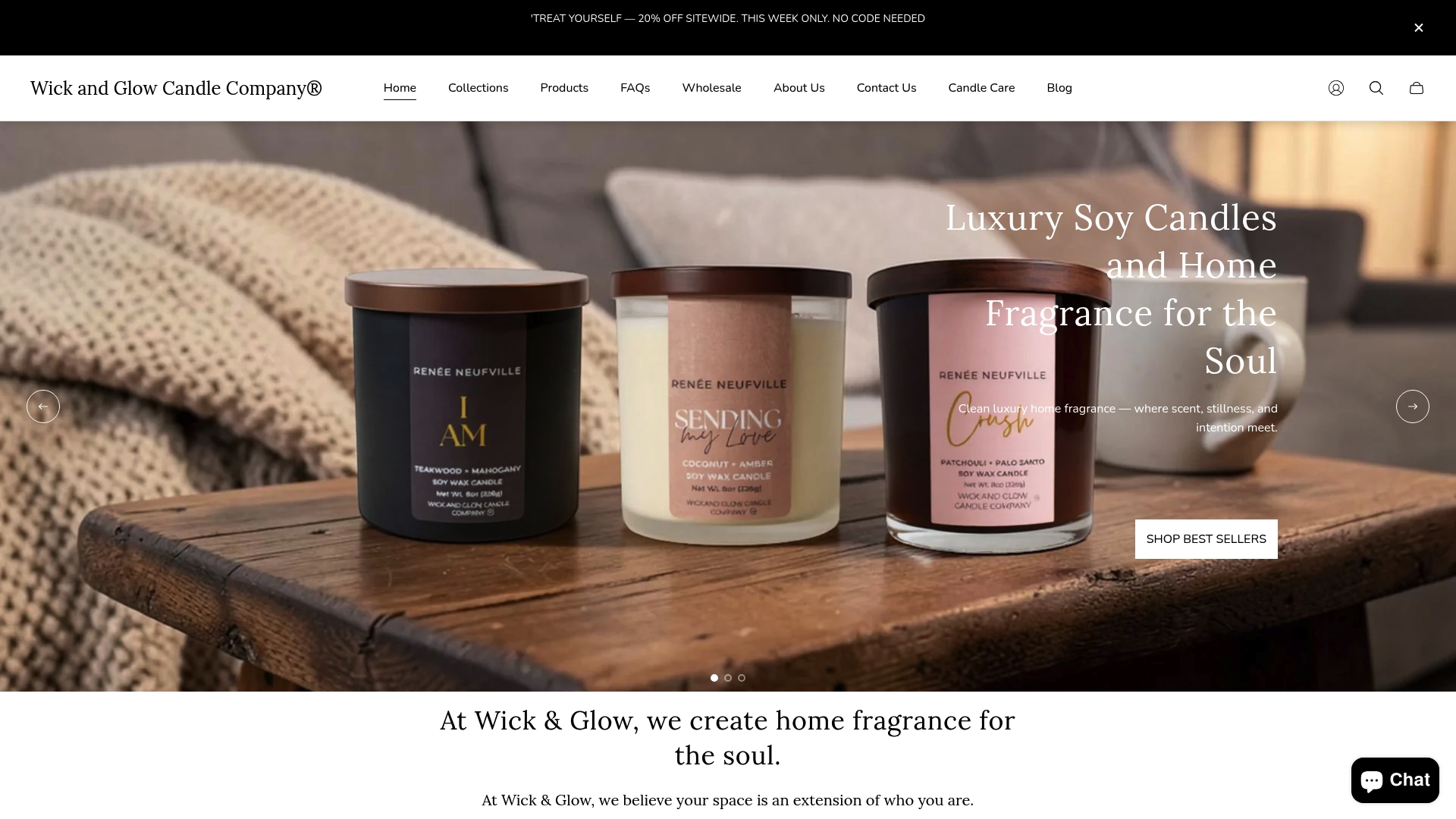
The Home Fragrance Scent Bundle combines a soy candle, reed diffuser, and room spray in one set, which gives you a complete fragrance experience to wrap and present together. For candle care after the gift is opened, the candle care guide from Wickandglow walks recipients through getting the most from every burn. Every product is made with care and comes with a playlist, so the gift experience extends well beyond the unwrapping.
FAQ
What paper works best for wrapping luxury candles?
Medium-weight, matte or textured wrapping paper is the best choice. It holds creases cleanly, resists tearing under a candle’s weight, and produces sharper corners than thin or glossy alternatives.
How do I keep the wrapping paper from getting stained by the candle?
Wrap the candle in a layer of unbleached tissue paper before placing it in the gift box. This inner layer absorbs any wax or oil residue and keeps the outer wrap clean and presentable.
What is furoshiki wrapping and how does it work for candles?
Furoshiki is a Japanese fabric-wrapping method that uses no tape. Cut the fabric to roughly three times the width of the candle, center the gift, and tie the fabric in a balanced knot with even tension for a polished, reusable wrap.
How long should the ribbon be for a luxury bow?
Measure ribbon at about five times the length of the gift box. Double-knot the ribbon at the center before shaping the loops so the bow holds its shape and looks full rather than flat.
How do I ship a wrapped luxury candle without damaging the presentation?
Place the wrapped candle inside a larger shipping box padded on all sides with crumpled kraft paper or bubble wrap. The wrapped gift should not shift when the outer box is shaken, and glass jars should have a tissue layer before box placement.
Recommended


